
Creality K2 SE 4C
4.0Editor score
4-color out of box
500mm/s fast printing
Compact design
Discover the top multicolor 3D printers for hobbyists in October 2026. This guide compares speed, build volume, and multi-material features to help you choose.
Multicolor 3D printing has transformed how hobbyists bring creative visions to life. With advancements in filament switching and speed, creating vibrant models is easier than ever. Whether you design toys or functional parts, the right printer unlocks new possibilities for your workspace.
We evaluated ten leading multicolor 3D printers based on speed, build volume, and ease of use. Our analysis covers CoreXY structures, intelligent filament systems, and auto-leveling features. This ensures you find a machine that balances performance with reliability for your specific projects.
Each selection highlights unique strengths, from budget-friendly options to high-speed engineering tools. Note that prices and availability may change frequently. Check current listings before purchasing to ensure you get the best value for your budget and printing needs today.
4.0Editor score

4.1Editor score
4.2Editor score
This comparison table highlights key specifications across all ten selected printers. Reviewing speed, build volume, and filament systems side by side helps you identify which model aligns best with your hobbyist goals and workspace constraints.
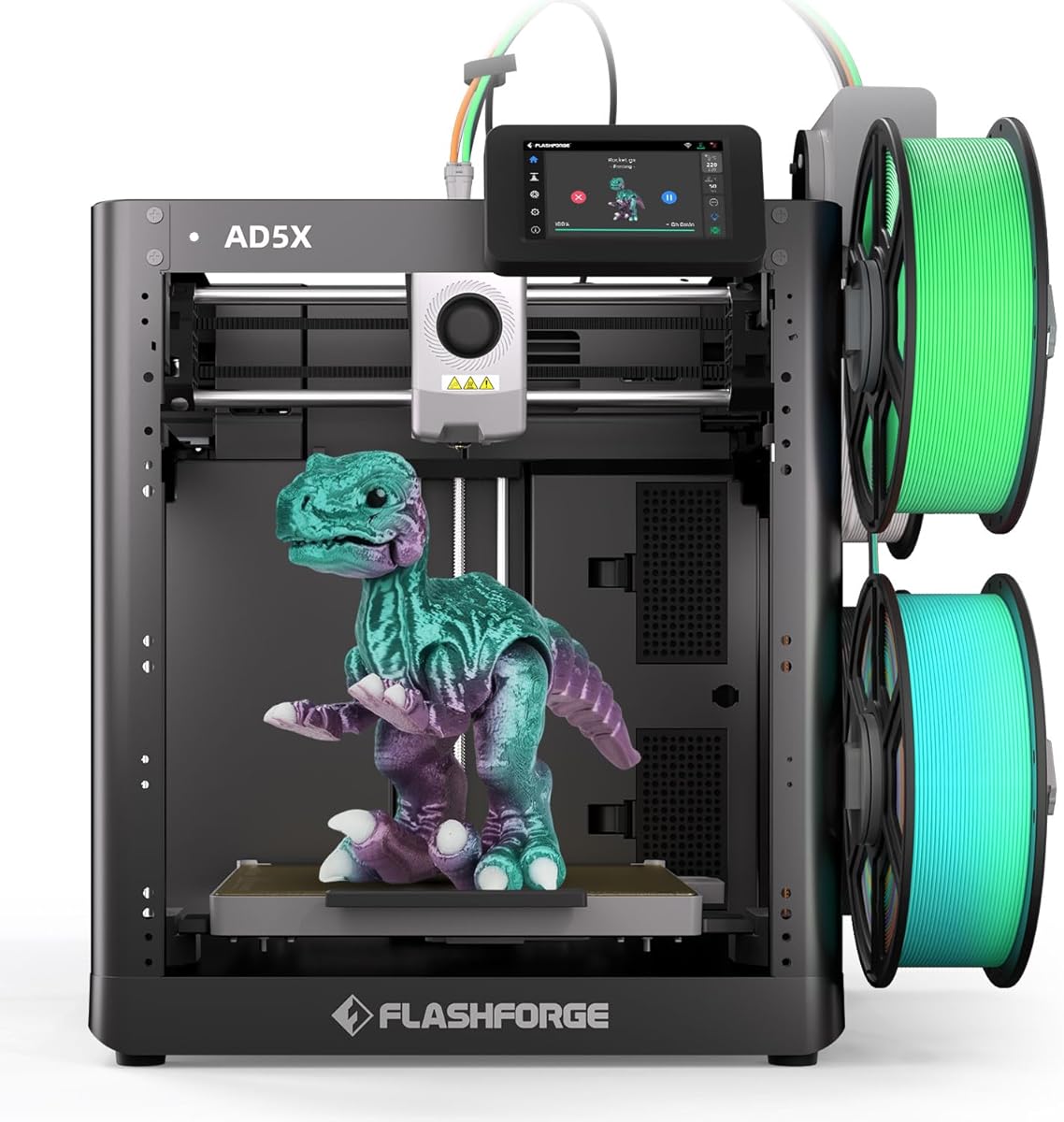


The FLASHFORGE AD5X stands out as a top contender for hobbyists seeking multicolor capabilities. With a 4.1 rating, it offers impressive speed and reliability for daily printing needs.
We may earn a commission when you buy through this link, at no additional cost to you.
Its Intelligent Filament System ensures seamless transitions between colors without manual intervention. The 600mm/s speed reduces wait times significantly compared to standard FDM printers.
While the 300C nozzle handles various materials well, users should note the limited color options compared to more advanced systems. However, for most hobbyist projects, this is sufficient.
We recommend this model for those prioritizing speed and ease of use. It balances performance with accessibility, making it a strong choice for creative workshops.
The high acceleration allows quick project turnaround times for iterative designs.
The all-metal structure minimizes vibrations for smoother and more accurate prints.
We may earn a commission when you buy through this link, at no additional cost to you.
This variant focuses on multi-material versatility, appealing to engineers and designers. It maintains the same high speed as the standard AD5X but adds more calibration features.
We may earn a commission when you buy through this link, at no additional cost to you.
Vibration suppression algorithms ensure layer alignment even at high speeds. This feature reduces artifacts on tall models which improves overall print quality significantly.
The DIY IFS aspect allows customization but may require more technical knowledge. Users should be prepared for occasional troubleshooting during initial setup phases.
Ideal for advanced hobbyists who need flexibility with materials. It bridges the gap between entry-level and professional-grade systems.
Compatible with PLA TPU and PETG for versatile project outcomes.
Side-by-side spools save valuable desk space in small studios.
We may earn a commission when you buy through this link, at no additional cost to you.
With a 4.4 rating, this model receives praise for reliability. It simplifies the multicolor experience with robust auto-leveling features.
We may earn a commission when you buy through this link, at no additional cost to you.
The 300C nozzle allows for high-temperature filaments like ABS and PETG. This opens up engineering-grade projects beyond simple PLA prints for hobbyists.
Setup is smoother thanks to full auto leveling, but some software configuration may still be needed. Patience during the first few prints yields better long-term results.
Recommended for hobbyists looking for a balance of performance and price. It is a solid upgrade from basic single-color machines.
Automatic bed leveling guarantees first layer adhesion every time.
High temperature tolerance supports advanced filaments for functional parts.
We may earn a commission when you buy through this link, at no additional cost to you.
This model is perfect for beginners wanting multicolor without complexity. It arrives ready to print with all necessary components included in the box.
We may earn a commission when you buy through this link, at no additional cost to you.
The 500mm/s speed is sufficient for most hobby projects. While slightly slower than top competitors, it offers stability and accuracy for detailed models.
Creality OS and Fluidd UI provide flexible control options. Users can start simple and unlock advanced features as their skills grow over time.
We suggest this for classrooms or home offices. It minimizes setup friction so users can focus on creativity rather than calibration.
Ready to print setup allows immediate project start.
Power loss recovery and runout sensors prevent wasted prints.
We may earn a commission when you buy through this link, at no additional cost to you.
Designed for small workspaces, this printer combines compact size with smart features. The Auto Feed and Retract system reduces manual filament handling significantly.
We may earn a commission when you buy through this link, at no additional cost to you.
AI monitoring allows remote tracking of prints via mobile app. This is ideal for long overnight jobs where supervision is not possible.
The modular design allows tool-free replacement of parts. Maintenance is simplified, reducing downtime between print jobs effectively.
Recommended for beginners who value connectivity. It integrates well into a smart home workflow for modern makers.
Automatic switching to backup spools keeps jobs running.
Built-in camera ensures security during unattended printing sessions.
We may earn a commission when you buy through this link, at no additional cost to you.
This version emphasizes speed and reliability for frequent users. The FDM technology ensures consistent layering across different materials.
We may earn a commission when you buy through this link, at no additional cost to you.
High-speed printing significantly cuts production time for small batches. It is a practical tool for rapid prototyping or batch production runs.
Users should be aware of heat requirements for certain filaments. Proper ventilation is recommended when using high-temperature plastics.
Ideal for makers needing throughput without complexity. It keeps the workflow efficient and predictable.
Precise layer-by-layer printing ensures structural integrity.
Automated features maintain quality across multiple prints.
We may earn a commission when you buy through this link, at no additional cost to you.
This mini printer is built for education and light hobby use. It arrives fully assembled, making it accessible for younger users or schools.
We may earn a commission when you buy through this link, at no additional cost to you.
The Poloprint app offers guided setup and vast model library. This reduces technical barriers and encourages exploration and creativity freely.
While the build volume is small, it is perfect for toys and prototypes. The quiet operation fits well in classrooms or shared spaces.
We recommend this for families or students learning 3D printing. It prioritizes ease of use and safety over raw performance.
Access thousands of models to inspire new projects immediately.
Flexible magnetic plate and power loss recovery ensure success.
We may earn a commission when you buy through this link, at no additional cost to you.
This base model offers a foundation for expansive color printing. While it supports 16 colors, it requires connecting separate CFS units.
We may earn a commission when you buy through this link, at no additional cost to you.
The direct-drive extruder ensures smooth filament flow. This is beneficial for flexible materials like TPU often used in hobby projects.
Input shaping reduces ringing for cleaner surface quality. This helps in producing detailed models without manual tuning.
Recommended for users ready to build a multi-color system. It provides room to grow as your projects become more complex.
Quick-swap nozzle and cutter streamline maintenance tasks.
Input shaping minimizes vibration artifacts on prints.
We may earn a commission when you buy through this link, at no additional cost to you.
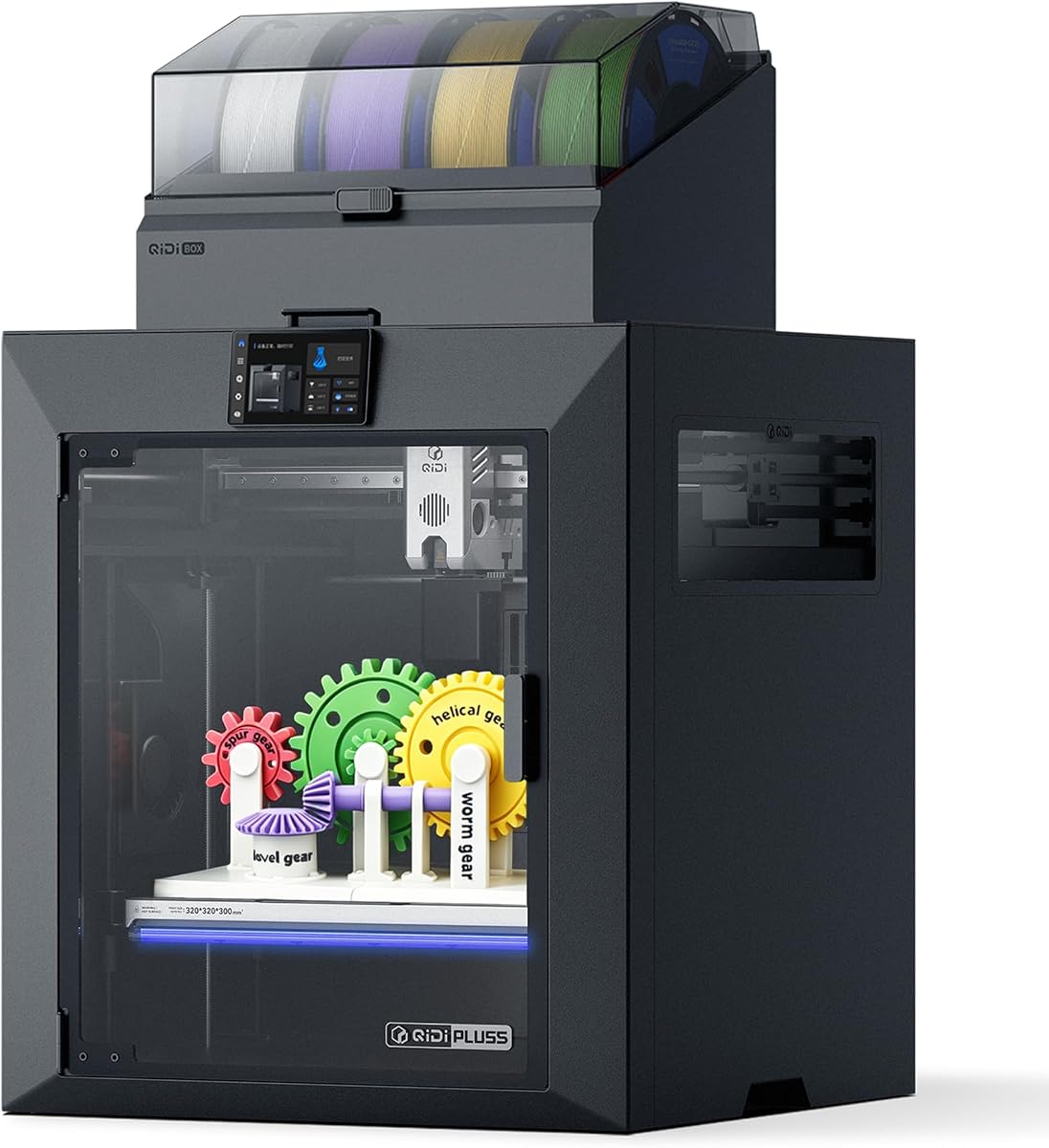
The Plus5 is a powerful machine for demanding projects. Its large build volume allows printing full-scale prototypes in one go.
We may earn a commission when you buy through this link, at no additional cost to you.
Active chamber heating and drying ensure high-quality prints with tough materials. This reduces warping and enhances layer adhesion effectively.
While it is expensive, the engineering features justify the cost for professionals. It minimizes failed prints which saves filament in the long run.
Recommended for serious hobbyists needing high output. It is a long-term investment for advanced users.
370C nozzle supports carbon fiber reinforced materials.
Prevents moisture absorption for consistent extrusion quality.
We may earn a commission when you buy through this link, at no additional cost to you.
This bundle offers an easy entry point with starter filaments. It removes the initial cost barrier of buying materials separately.
We may earn a commission when you buy through this link, at no additional cost to you.
CoreXY motion ensures stability during high-speed printing. This helps maintain precision even on detailed models.
The included PLA is enough for initial tests. Users will likely want to upgrade to more colors for larger projects.
We suggest this for beginners wanting immediate gratification. It simplifies the purchase decision with essential items included.
Includes filament to get printing immediately after setup.
Compensation algorithms reduce blur at high speeds.
We may earn a commission when you buy through this link, at no additional cost to you.
Selecting the right multicolor 3D printer involves evaluating several technical and practical factors. This guide explains the key aspects to consider for your specific needs.
High-speed printers can complete models in hours instead of days. Look for speeds of 500mm/s or higher to maximize productivity without sacrificing detail.
Prioritize models with high acceleration for efficient short prints.
The size of your prints depends on the build volume. Hobbyists making small models need 220mm, while larger projects require 320mm or more.
Ensure the build volume matches the largest part you plan to create.
Multi-color printers use different systems like IFS or CFS. Some handle up to four colors natively, while others require external modules for more.
Choose a system that fits your color complexity and budget.
Higher nozzle temperatures allow for advanced materials like ABS. A nozzle reaching 300C or more offers greater versatility for functional parts.
Verify the max temperature to ensure it supports your preferred materials.
Auto-leveling and filament detection reduce manual work. Features like power loss recovery and AI monitoring help prevent failed prints.
Look for a machine with robust automation to save time.
CoreXY systems offer better stability and speed than standard Cartesian printers. They minimize vibration for cleaner prints at high speeds.
Opt for CoreXY or similar stable motion systems for quality.
User-friendly software makes slicing and printing easier. Cloud integration allows remote access and management of print jobs.
Check for compatibility with popular tools and mobile apps.
Multicolor printers range from budget to premium. Consider the long-term value of included features like auto-drying or large volumes.
Balance upfront cost with the features you truly need.
Start by calibrating your printer bed carefully. Use auto-leveling features but manually verify first layer adhesion for best results.
Clean the nozzle regularly to prevent clogs, especially when switching colors. Use a needle or filament cleaner to clear residue.
Store filaments in a dry environment to avoid moisture absorption. This ensures consistent extrusion and better print quality over time.
They use systems like IFS or CFS to switch filaments automatically. This allows different colors to be extruded in specific areas of the model without manual changes.
Larger volumes allow for bigger models or batch printing. However, they require more space and higher filament usage. Choose based on your project size needs.
Yes, most multicolor printers support PLA. Ensure your chosen model allows the temperature and filament diameter you require for reliable printing.
Modern models are beginner-friendly with auto-leveling. However, troubleshooting color transitions may require some learning and patience.
Generally, they are quieter than older models due to better motors. Some users may still prefer enclosed models for minimal noise in shared spaces.
Clean the nozzle every few prints to avoid clogs. Regular maintenance ensures consistent performance and prevents material buildup over time.
Most offer one-year warranties covering parts. Check the manufacturer policy to understand what repairs are covered after purchase.
Some models like K2 allow modular upgrades. Others may have fixed limitations. Review product details for future expandability options.
We reviewed ten printers offering unique advantages. The AD5X and K2 SE models stand out for balancing speed and ease of use.
Prioritize features that match your most common projects. If speed matters, choose high-velocity machines. If size matters, look for larger build volumes.
Prices and stock change frequently. Always verify current listings and support details before finalizing your purchase today.