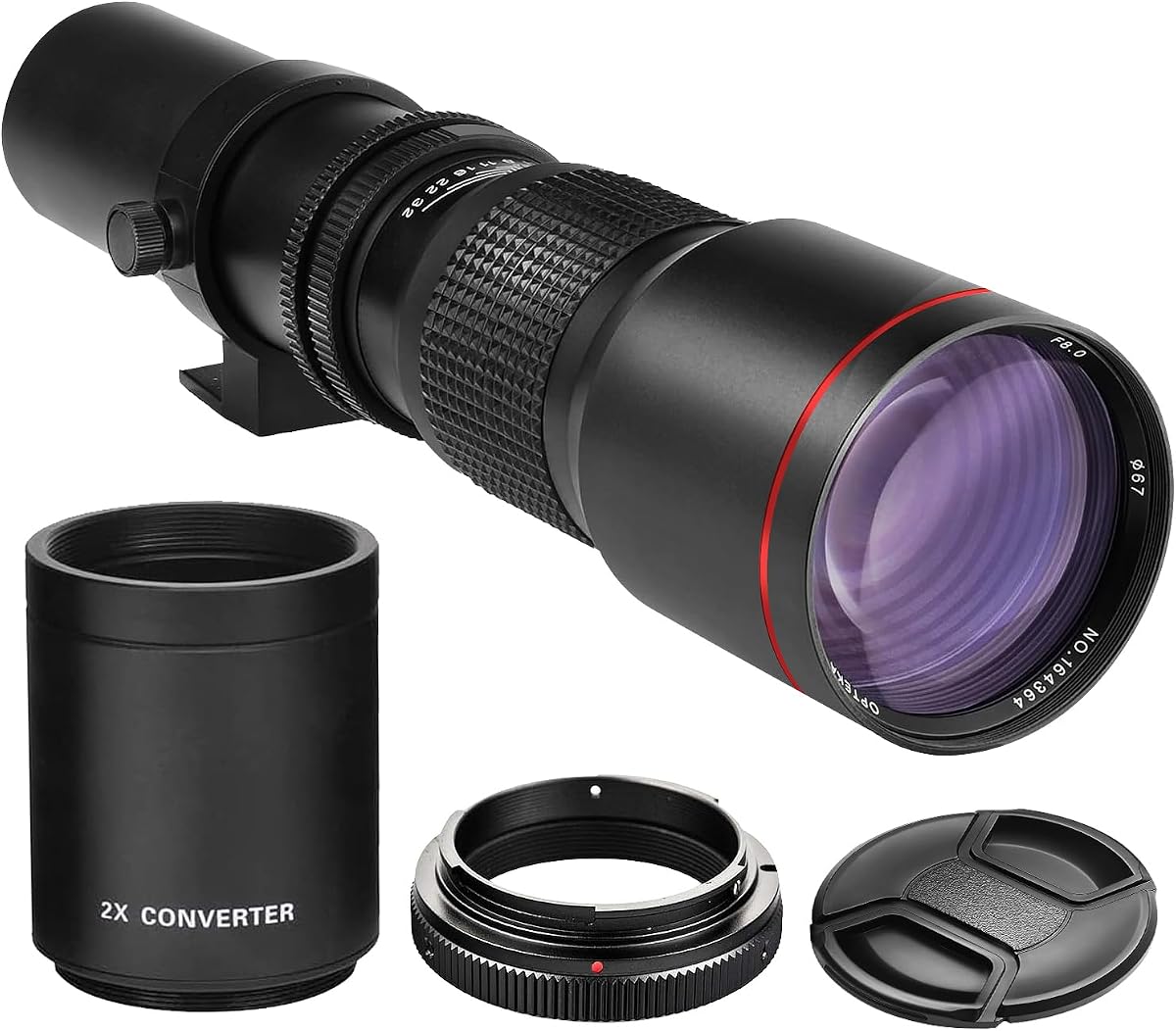
High-Power 500mm/1000mm f/8 Manual Telephoto Lens
4.0Editor score
Manual focus and aperture
1000mm equivalent reach
Low-cost telephoto option
This guide compares the top 10 camera lenses for long distance wildlife photography, evaluating reach, stabilization, autofocus, and value for nature shooters
Capturing wildlife from a safe distance requires specialized optics that balance reach, clarity, and portability. The right lens lets you fill the frame with distant subjects while maintaining sharpness and color fidelity. Whether you chase birds or big cats, selecting the correct focal range is the first critical step toward success.
We analyzed ten highly rated telephoto zoom lenses available today. Our comparison focuses on optical performance, stabilization technology, autofocus speed, and build quality. We also considered bundle value and compatibility with major camera systems to ensure every photographer finds a suitable match for their specific gear and needs.
Each pick below includes detailed specs, pros, cons, and real-world performance notes. You will see which lenses excel in low light, how quickly they lock focus, and what trade-offs come with extreme magnification. Prices and availability change frequently so verify current details before making your final purchase decision.
4.0Editor score
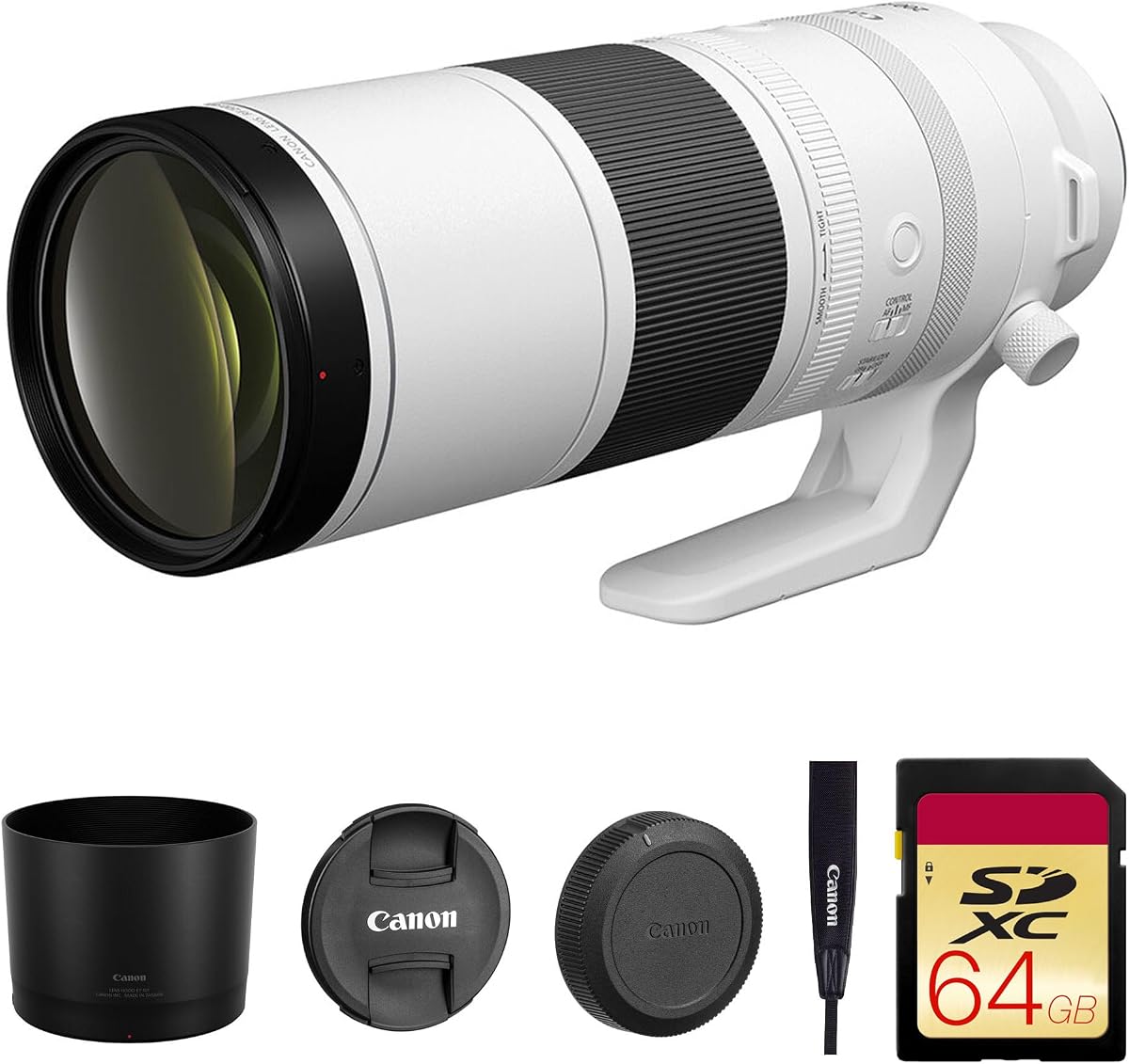
4.7Editor score

4.0Editor score
The following table provides a side-by-side view of the top 10 lenses for wildlife photography. Compare focal ranges, stabilization features, compatibility, and key design traits to identify which model best fits your shooting style and camera body.



This Canon RF lens stands out as the top pick for wildlife photographers seeking extreme reach without bulk. It earns a 4.7 rating from users who praise its ability to resolve fine feather detail even at 800mm. The built-in image stabilization makes handheld shooting viable where tripods are impractical.
We may earn a commission when you buy through this link, at no additional cost to you.
The USM autofocus system locks onto moving subjects quickly and quietly, which is crucial for birds in flight or cautious mammals. The zoom range from 200mm to 800mm offers unmatched flexibility, letting you frame environmental shots or tight close-ups without swapping lenses. Its compact design helps you stay mobile during long treks.
Trade-offs include a variable aperture that narrows as you zoom, reducing light gathering at full reach. You will need a capable RF mount camera to utilize this lens fully. However, the optical performance and stabilization justify these limits for most serious nature shooters.
Buyers who want a modern mirrorless solution with pro-grade reach should prioritize this model. It balances performance and portability better than most competitors. Verify bundle contents before purchase to ensure you get the memory card and accessories included.
The 800mm maximum focal length lets you capture distant subjects clearly while maintaining a manageable weight for handheld use.
Built-in image stabilization counteracts camera shake, enabling sharper photos even when shooting from unstable positions like a boat or hiking trail.
We may earn a commission when you buy through this link, at no additional cost to you.
As the world’s first AF super-telephoto zoom reaching 800mm, this lens sets a new benchmark for mirrorless wildlife photography. It delivers consistent sharpness across the zoom range thanks to an optimized optical design that leverages the RF mount advantages. Users appreciate its ability to stay balanced during extended handheld sessions.
We may earn a commission when you buy through this link, at no additional cost to you.
The zoom range covers most wildlife scenarios from medium distance to extreme range. Compatibility with RF extenders means you can push beyond 800mm if needed. The compact form factor reduces fatigue compared to traditional prime telephoto setups. Autofocus remains fast and precise even at the long end.
The main drawback is the narrowing aperture at 800mm which can impact shutter speed in dim conditions. Pricing also places it in a premium tier. Still, for RF users wanting maximum reach in a lightweight body, it offers a unique combination of features.
Ideal for photographers upgrading to full-frame mirrorless who want one lens to cover sports and nature. Check current stock and bundle deals to ensure you get the best value. Always confirm firmware compatibility for optimal performance.
Leveraging the RF mount allows for advanced optical corrections and faster communication between lens and camera body.
Use RF extenders to extend reach beyond 800mm when needed, maintaining autofocus capability throughout the zoom.
We may earn a commission when you buy through this link, at no additional cost to you.
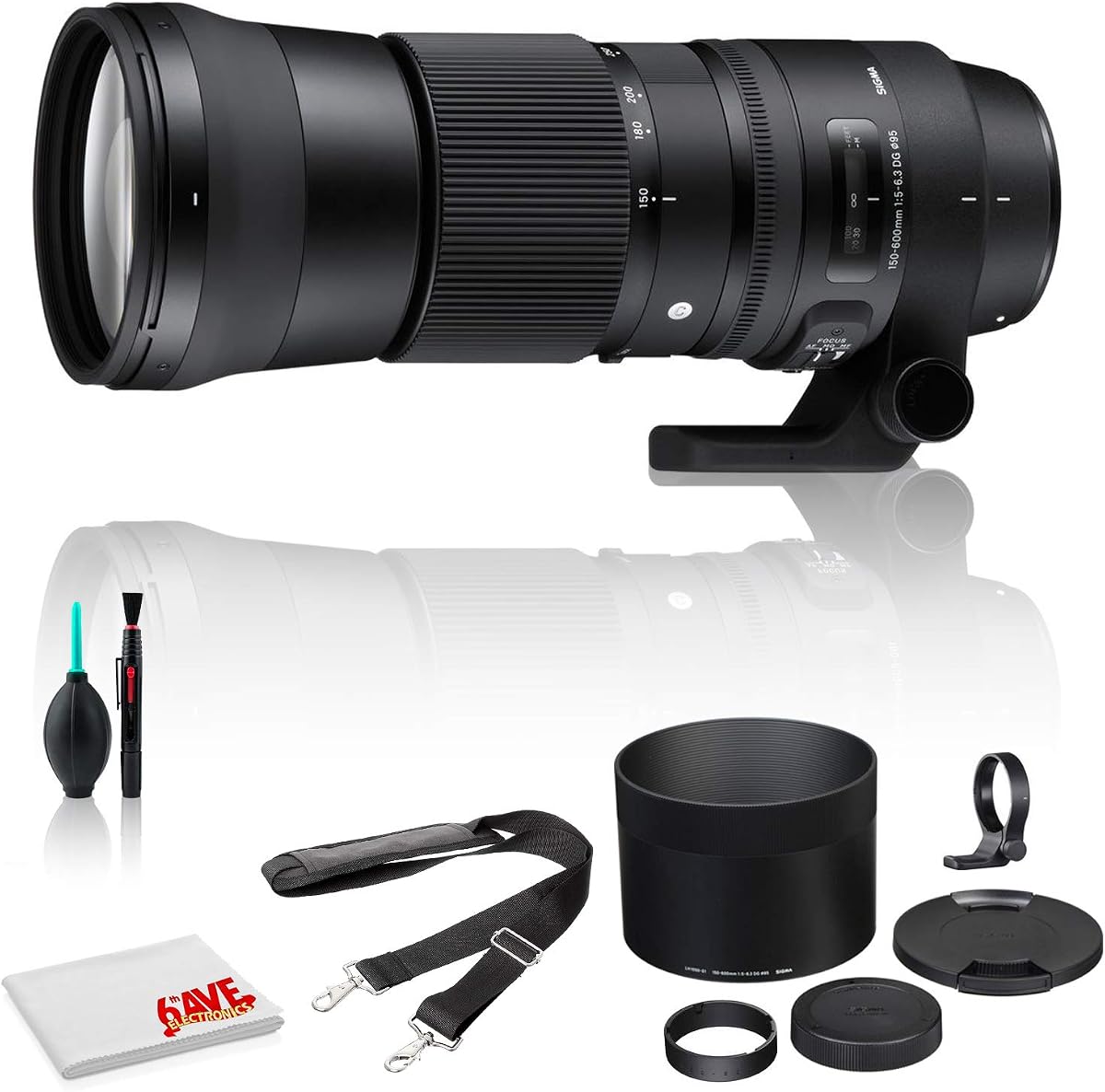
Sigma’s Contemporary lens brings robust performance to EF mount users who do not want to switch camera systems. The 150-600mm range covers most wildlife needs while the optical stabilizer ensures handheld shots remain sharp. A cleaning kit is included to help maintain optical clarity in dusty field conditions.
We may earn a commission when you buy through this link, at no additional cost to you.
The Hyper Sonic Motor provides reliable autofocus performance that handles tracking well. The lens uses specialized glass elements to reduce chromatic aberrations and maintain contrast. Build quality feels durable enough for rugged outdoor use. Many users find it offers excellent value for the reach provided.
Its weight can be a burden during long hikes compared to newer RF designs. Focus speed may lag slightly behind the latest Canon models. For EF shooters however it remains one of the most capable options available without breaking the bank.
If you already own an EF camera body this lens delivers pro-level reach without needing an adapter. Inspect the bundle contents to confirm all cleaning tools are present. Ensure firmware updates are applied for best AF performance.
Designed for Canon EF systems, this lens fits seamlessly into existing DSLR setups without adapters.
Including a deluxe cleaning kit helps you keep optics clean after shooting in wet or dusty environments.
We may earn a commission when you buy through this link, at no additional cost to you.
For photographers on a strict budget, this manual telephoto lens delivers an incredible 1000mm reach at a fraction of the cost of auto-focus rivals. Its low price opens wildlife photography to beginners or hobbyists who want to experiment with extreme magnification. The lens is built to withstand outdoor rigors.
We may earn a commission when you buy through this link, at no additional cost to you.
The teleconverter doubles the power from 500mm to 1000mm, allowing you to capture distant subjects. Multi-coated glass ensures clear images with decent sharpness. You gain full manual control over focus and aperture, which can be creatively freeing. The black finish hides scratches from field work.
Manual focus requires patience and a steady hand which may frustrate action shooters. Aperture is fixed which limits light intake and depth of field control. Tripods are highly recommended to prevent blur. Despite these limits the value proposition is unmatched for casual use.
Buy this if you want to test long-range shooting without investing thousands. It is ideal for static subjects like birds on perches. Confirm your camera model is on the compatibility list before ordering to avoid mount issues.
Switch between 500mm and 1000mm using the included converter to adjust framing for different distances.
Manual focus allows precise adjustments that can be useful for macro wildlife details.
We may earn a commission when you buy through this link, at no additional cost to you.
This L-series lens represents professional quality for Canon DSLR users. It features advanced optical construction with fluorite and UD elements to minimize aberrations. The ring-type USM provides fast and quiet autofocus essential for sports and wildlife. A filter kit adds immediate value for protecting lenses.
We may earn a commission when you buy through this link, at no additional cost to you.
The panning stabilization mode supports continuous tracking of moving subjects without motion blur. Build quality includes a rotating tripod collar for balanced support. You can add teleconverters for extra reach. The lens maintains sharpness across the zoom range with good color accuracy.
Compared to newer RF designs it is heavier and older in design. The price reflects its pro status. Still, for EF users needing reliable performance in diverse conditions, it remains a trusted choice. The included filter kit is a practical bonus.
Choose this if you already own high-end DSLRs and need robust optics. Check the bundle to ensure all accessories are included. Keep firmware updated for optimal autofocus performance with newer camera bodies.
Fluorite and UD elements reduce chromatic aberration and ensure high image fidelity.
The included filter kit lets you shoot in challenging light conditions immediately after purchase.
We may earn a commission when you buy through this link, at no additional cost to you.
This lens offers one of the longest zoom ranges available at a budget price. The 2X teleconverter pushes focal length to 1600mm which brings distant subjects incredibly close. It fits many Canon DSLRs via EF-Mount. The manual design keeps the cost low and weight manageable for travel.
We may earn a commission when you buy through this link, at no additional cost to you.
Capturing wildlife or landscapes becomes possible with enhanced flexibility. The f/8.3 aperture ensures crisp photos when enough light is available. Manual precision allows fine-tuned focus adjustments. It is built to withstand outdoor conditions with a robust finish.
Focus speed is limited to manual which can miss fast action. Low light performance suffers due to the fixed aperture. A sturdy tripod is necessary for sharp results. Despite limits, it provides extreme reach for minimal investment.
Use this for static subjects or landscapes where precise control matters. Verify your camera model compatibility before buying. Handle with care to preserve optical coatings in field environments.
The included converter doubles the focal length to 1600mm for extreme close-ups of distant subjects.
Despite long reach, the lens is compact enough to fit in a standard camera bag.
We may earn a commission when you buy through this link, at no additional cost to you.
Designed for EOS R series cameras, this lens balances cost and performance. It is compact and lightweight making it ideal for hiking. The optical image stabilizer delivers up to 5.5 stops of shake correction. Nano USM autofocus ensures fast smooth focus.
We may earn a commission when you buy through this link, at no additional cost to you.
The 100-400mm range covers general wildlife needs without bulk. It focuses as close as 2.89 feet which helps for smaller subjects. When paired with IBIS cameras stabilization reaches 6 stops. Many users praise its portability and sharpness.
The aperture narrows significantly at 400mm limiting low light use. Reach is less than super-telephoto options. Still for casual shooters wanting a modern RF solution it is a strong pick. The price remains accessible for new mirrorless users.
If you own an R camera body start here to test wildlife shooting. It pairs well with crop sensors for extra reach. Check firmware updates to maintain compatibility with new models.
Nano USM ensures smooth and quiet autofocus operation suitable for video and stills.
Works with in-body stabilization for enhanced shake correction on supported bodies.
We may earn a commission when you buy through this link, at no additional cost to you.
This classic entry-level telephoto lens offers decent magnification for beginners. It features a smooth zoom mechanism and a silver ring design. Weighing only 16.8 ounces it is easy to carry. The lens provides a diagonal angle of view from 32 to 8 degrees.
We may earn a commission when you buy through this link, at no additional cost to you.
It fits many Canon SLR models easily. The improved zoom ring helps with precise framing. Despite lacking stabilization, sharp results are possible with steady hands. It is often recommended as a first telephoto step.
No stabilization means you need fast shutter speeds. Autofocus is slower than USM types. Image quality drops at long focal lengths. However for low budget learners it remains a popular and reliable option.
Use it to learn telephoto basics before upgrading. Ensure your camera body supports EF mounts. Use higher ISO to compensate for the lack of stabilization.
Weighing just 16.8 ounces it is one of the lightest telephoto options available.
Improved zoom mechanism allows smoother adjustments compared to older versions.
We may earn a commission when you buy through this link, at no additional cost to you.
Nikon shooters get robust reach with this bundle. The 200-500mm range is versatile for wildlife. Extra-low dispersion elements reduce color fringing ensuring clarity. A Silent Wave Motor delivers fast autofocus and manual override. A filter kit adds value.
We may earn a commission when you buy through this link, at no additional cost to you.
VR provides up to 4.5 stops of stabilization which helps handheld shots. The lens fits DX sensors for 300-750mm equivalent reach. A rotating tripod collar supports vertical and horizontal shots. Sports Mode helps track fast subjects.
It is heavier than some competitors requiring a tripod for long sessions. Compatibility is limited to Nikon bodies. Still, for Nikon users wanting pro-level reach at a reasonable price, it is a top contender.
Buy this if you own a Nikon DSLR. Confirm bundle contents include cleaning tools. Update lens firmware for best AF performance with recent camera models.
Vibration Reduction minimizes shake for sharper handheld photos at long focal lengths.
Focus is fast and silent, ideal for shooting wildlife without disturbance.
We may earn a commission when you buy through this link, at no additional cost to you.
This renewed version offers a budget-friendly entry into telephoto shooting. It passes quality checks for functionality and appearance. The DC motor provides standard autofocus performance. A filter thread of 58mm matches many accessories. The lens is short and portable.
We may earn a commission when you buy through this link, at no additional cost to you.
It covers 75-300mm which is enough for basic wildlife. The 4.9 foot minimum focus distance allows decent close-up shots. Users value the lower price point for learning. It is compatible with many older Canon bodies.
Performance matches the standard model but with potential cosmetic imperfections. Focus speed is slower than newer options. Still for learners on a budget it is a reliable tool. Check return policies for renewed items.
Consider this if you want to test telephoto without high risk. Verify the seller for warranty. Use sturdy tripods to avoid blur due to lack of stabilization.
Renewed items offer near-new performance at a significantly lower price.
DC autofocus provides consistent and reliable focus for everyday shooting.
We may earn a commission when you buy through this link, at no additional cost to you.
Selecting the right wildlife lens involves evaluating several technical factors that affect reach clarity and usability in the field.
Focal length determines how close you can frame distant subjects. Lenses ranging from 200mm to 800mm are common. Longer reach helps isolate animals but may reduce image quality if optical design is poor.
Choose a focal range matching your typical subject distance.
Stabilization systems reduce camera shake which is critical at long focal lengths. Modern lenses offer 5 to 6 stops of compensation enabling handheld shots.
Prioritize lenses with effective stabilization for wildlife.
Fast silent autofocus ensures moving subjects stay sharp. USM or Silent Wave Motors deliver superior tracking. Manual focus offers precision but is slow for active scenes.
Look for motors labeled as USM or SWM.
Match the lens to your camera mount such as RF or EF. RF designs benefit from advanced optics while EF suits DSLR users. Using adapters may add bulk.
Confirm mount type before purchasing.
Long lenses are often heavy. Lighter options help reduce fatigue during hikes. Consider tripods if you select heavy glass.
Choose lighter models for travel and hiking.
Aperture limits light gathering. Wide apertures allow faster shutter speeds in shade. Variable apertures shrink at full zoom.
Opt for wider apertures if shooting dawn or dusk.
Special glass like UD or fluorite reduces aberrations. Check for coatings that minimize flare. Good optics ensure sharp edges.
Read reviews on chromatic aberration performance.
Some options include filters or cleaning kits. These add value but check actual contents. Avoid paying for extras you don't need.
Compare bundle extras carefully.
Mount the lens securely on your camera body and set stabilization modes appropriate for handheld or tripod use.
Use fast shutter speeds to freeze motion and keep ISO settings moderate to maintain image clarity.
Clean lens elements with a microfiber cloth after each outing and store in a dry case.
Birds usually require 600mm or more. The 800mm options offer excellent reach. If you shoot closer subjects 400mm can work with cropping.
Yes it is critical for handheld work. Stabilization lets you shoot slower speeds without blur. Tripods reduce the need but are not always portable.
Manual focus provides creative control but slows action shots. They are best for still subjects or when budget is tight.
Yes using adapters for EF to RF. This adds length and weight but works well for many photographers.
A teleconverter doubles reach but may reduce light and AF speed. Ensure your lens supports them.
Use microfiber cloth and lens fluid gently. Never touch glass with fingers to prevent scratches.
RF offers newer tech and lighter optics. EF is more established and cheaper. Choose based on your camera.
Most bundles include filters or cleaning kits not tripods. Check product descriptions carefully.
The Canon RF 200-800mm Bundle leads for its unmatched reach and stabilization. The manual options offer extreme affordability for experimental shooters.
Prioritize stabilization and autofocus speed for active wildlife. Balance weight with your travel needs carefully.
Always check current prices and bundle contents before buying to ensure you receive the best value.