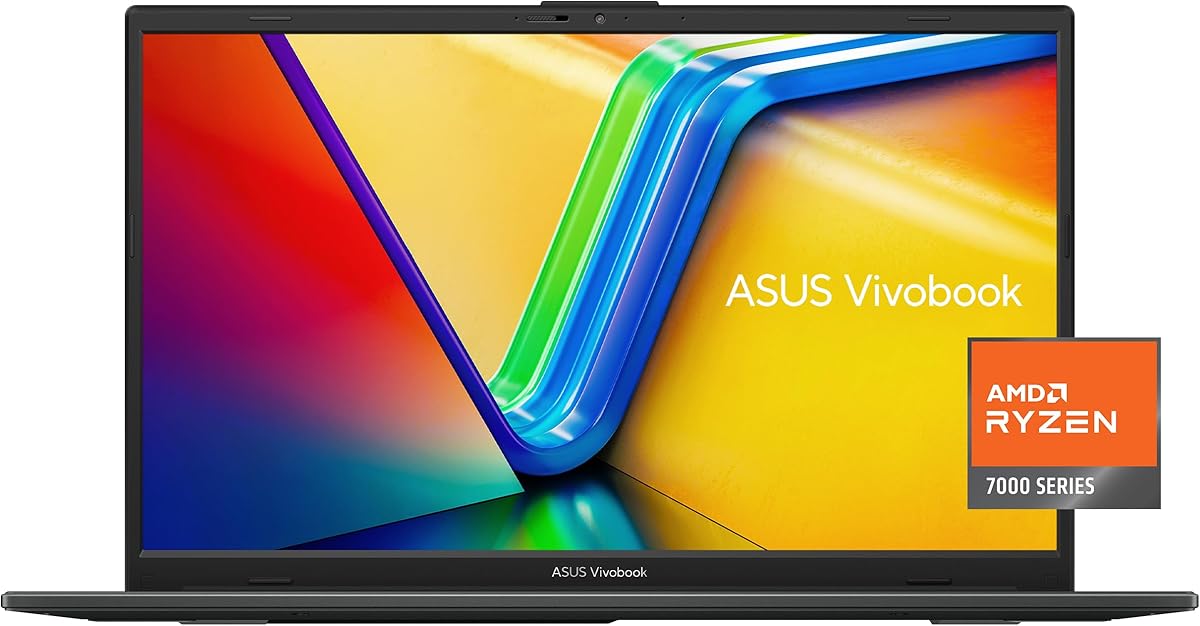
ASUS Vivobook Go 15.6” FHD Slim Laptop
4.3Editor score
AMD Ryzen 3 7320U Processor
8GB DDR5 RAM for multitasking
Military Grade Durability Design
Finding the right laptop for school requires balancing power with affordability. Students need devices that handle multitasking, research, and creative projects without breaking the bank. ASUS offers a wide range of options tailored to these specific educational demands.
We analyzed ten distinct ASUS models to identify the most reliable choices for academic work. Our evaluation considers processor speed, storage capacity, display quality, and overall build durability. This list ensures you get the best value for your investment in technology.
Each pick highlights unique strengths suitable for different study environments and budgets. While prices fluctuate based on availability and promotions, the core features remain consistent. Use this guide to narrow down your options before making a final purchase decision online.
4.3Editor score

4.4Editor score

4.5Editor score
As an Amazon Associate we earn from qualifying purchases.
Here is a side-by-side comparison of all ten ASUS laptops featured in this guide. We highlight key specifications to help you quickly identify which model aligns best with your specific academic requirements and budget constraints.


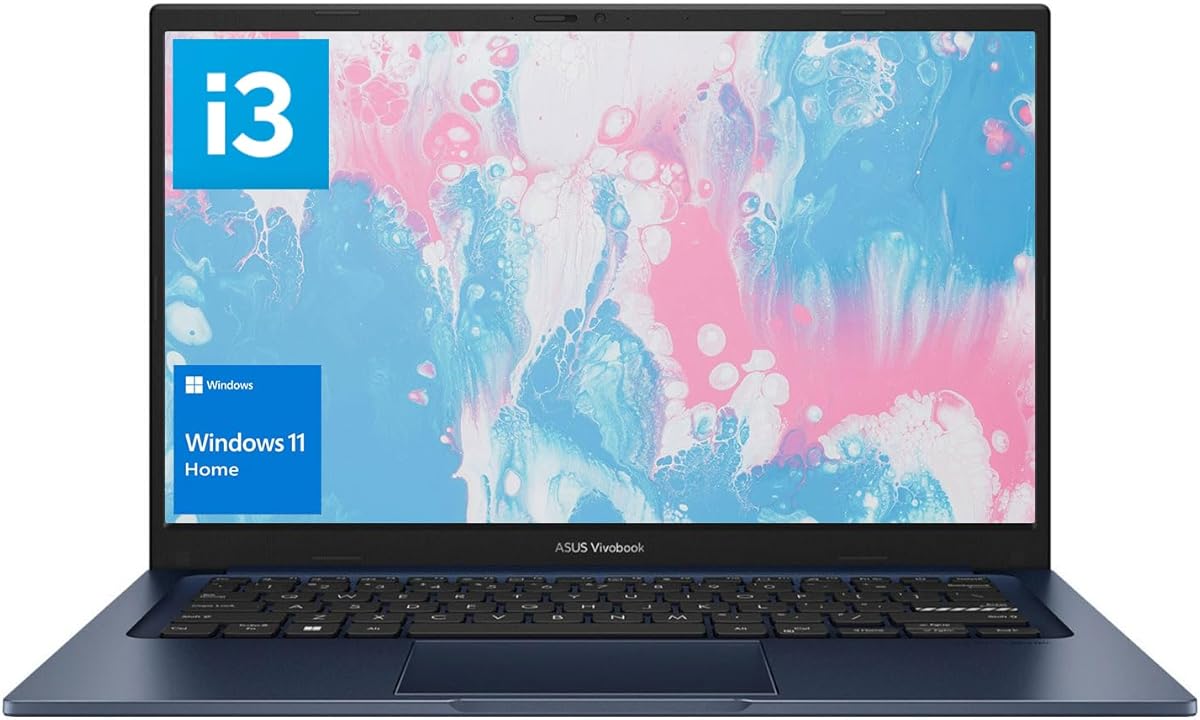
This model offers excellent value for students needing a reliable device without overspending. With a 4.3 rating, it balances essential performance with durability features like military-grade construction. It handles everyday tasks efficiently while remaining portable.
We may earn a commission when you buy through this link, at no additional cost to you.
The AMD Ryzen 3 7320U processor supports smooth multitasking for web browsing and document editing. DDR5 RAM ensures applications launch quickly and run simultaneously without lag. The 60Hz NanoEdge display provides clear visuals for reading and research.
Storage is limited to 128GB which might require external drives for large file libraries. Graphics are integrated so heavy gaming or intensive 3D rendering is not recommended. However, these trade-offs are acceptable for general academic use cases.
Ideal for budget-conscious students prioritizing portability and durability over raw power. The fast charging and webcam shield add practical touches for daily campus life. We recommend it for those focused on core coursework and online classes.
The Ryzen 3 processor handles standard office apps and web tools effectively.
Military-grade testing ensures the chassis survives accidental drops and daily wear.
We may earn a commission when you buy through this link, at no additional cost to you.
This 2023 model upgrades the previous generation with improved storage and charging speed. It maintains a strong 4.3 rating among users who need more space for files. The Ryzen 5 processor provides a noticeable boost over the base 3 series.
We may earn a commission when you buy through this link, at no additional cost to you.
Fast charging technology allows the battery to reach 50% capacity in just 30 minutes. This is crucial for students rushing between classes who forget to plug in overnight. The larger 512GB SSD offers ample room for documents and media.
While the processor is capable, heavy multitasking might still strain the 8GB RAM limit. The laptop is built to stay cool thanks to IceCool thermal technology which prevents overheating. This ensures consistent performance during long study sessions.
Perfect for students who need quick top-ups and more storage without paying premium prices. The AI noise-canceling feature improves call quality during virtual lectures or group projects. It is a balanced choice for medium-range academic requirements.
Fast charging lets you regain hours of usage in minutes of plugged-in time.
IceCool technology keeps the device cool even under sustained load.
We may earn a commission when you buy through this link, at no additional cost to you.
This model stands out with its Snapdragon X processor and AI-focused features. It holds an impressive 4.8 rating reflecting user satisfaction with its modern design. The inclusion of 16GB RAM makes it future-proof for evolving software demands.
We may earn a commission when you buy through this link, at no additional cost to you.
As a Copilot+ PC it offers advanced AI tools for task automation and content generation. The 16GB RAM ensures smooth multitasking even with multiple applications running simultaneously. Storage is generous enough for typical student workloads and media files.
Being a new platform means some older x86 applications might face compatibility challenges. Users may need to adjust workflows or rely on cloud versions of specific tools. This transition is expected as the ecosystem matures over time.
Highly recommended for early adopters who want cutting-edge AI features and portability. The 14-inch form factor makes it easy to carry around campus or libraries. It is ideal for students comfortable with new operating system nuances.
Copilot+ features help automate workflows and generate content instantly.
16GB RAM provides headroom for heavy multitasking and future updates.
We may earn a commission when you buy through this link, at no additional cost to you.
This entry-level laptop is designed for basic computing tasks and low budgets. It receives a 3.9 rating indicating it meets minimal needs but lacks power for heavy use. The N4500 processor is sufficient for light web browsing and word processing.
We may earn a commission when you buy through this link, at no additional cost to you.
With only 4GB of RAM it struggles with multiple tabs or modern applications. The eMMC storage is slower than SSDs but provides enough space for essential files. The design is slim and easy to carry for students with limited travel needs.
Performance may lag if you attempt to run too many programs at once. Video conferencing is supported but may struggle with high-resolution streams. This limits its utility for students in communication-heavy majors.
Best suited for elementary users or as a secondary device for light reading. If your coursework involves basic documents and web research it will suffice. Expect limited lifespan as software updates demand more resources.
Handles simple browsing and document editing without issue.
Slim and light design makes it easy to slip into bags.
We may earn a commission when you buy through this link, at no additional cost to you.
We selected this model as Editor's Choice due to its balanced performance and display. It holds a 4.4 rating from users who appreciate the larger screen real estate. The Snapdragon X processor offers robust efficiency and power for daily tasks.
We may earn a commission when you buy through this link, at no additional cost to you.
The 16-inch WUXGA display provides ample space for split-screen multitasking. With 16GB RAM and 512GB SSD you get plenty of speed and storage. The integrated Adreno GPU is optimized for media and light creative work.
Battery life is enhanced by the chipset's efficiency allowing for longer usage unplugged. However, the larger chassis makes it slightly less portable than 14-inch models. Also, gaming capabilities are limited compared to dedicated GPU systems.
Ideal for students who need a desktop replacement with great viewing angles. It handles research, coding, and media consumption with ease. We recommend this for those who prioritize screen size and battery efficiency.
The 16-inch screen offers plenty of space for multitasking and creativity.
Snapdragon X architecture delivers strong performance with lower power draw.
We may earn a commission when you buy through this link, at no additional cost to you.
This laptop is distinguished by its Windows 11 Pro OS and included docking hub. It maintains a 4.1 rating among users who need business-grade features. The 10-Core processor delivers smooth performance for complex academic projects.
We may earn a commission when you buy through this link, at no additional cost to you.
Storage is massive with 1TB SSD space ideal for large media projects or datasets. The 12GB RAM offers a middle ground between standard 8GB and premium 16GB options. Wi-Fi 6 ensures stable and fast internet connectivity on campus.
The included docking hub reduces cable clutter when connecting to external monitors. However the non-standard RAM might limit future upgrade options for advanced users. The color is unique and may not match traditional student aesthetics.
Great for students involved in design or media who need storage and ports. Windows 11 Pro provides better security and networking tools. We recommend it for those needing professional connectivity solutions.
Included docking hub simplifies external display and peripheral connections.
Windows 11 Pro adds security and networking features for advanced users.
We may earn a commission when you buy through this link, at no additional cost to you.
This model offers a solid balance of performance and practicality for most students. It has a 4.2 rating reflecting reliable everyday use. The Intel Core 5 120U processor handles multitasking with ease for general coursework.
We may earn a commission when you buy through this link, at no additional cost to you.
16GB RAM ensures smooth operation even with many browser tabs open. Wi-Fi 6 provides faster downloads and stable connections in crowded networks. The 512GB SSD is standard but sufficient for most academic needs.
The display is standard IPS which is clear but lacks high contrast ratios. There are no special features like touch or high refresh rates included. However these are not essential for typical study environments.
Best for students who need dependable performance without unnecessary extras. It covers all basics from research to streaming without issue. We recommend this for a straightforward and reliable study tool.
16GB RAM allows for seamless switching between apps and research.
Wi-Fi 6 ensures stable connections in busy campus networks.
We may earn a commission when you buy through this link, at no additional cost to you.
This premium bundle offers elite performance with a powerful i9 processor and 32GB RAM. It boasts a 4.5 rating for its ability to handle demanding workloads. The 1TB SSD ensures you never run out of space for large projects.
We may earn a commission when you buy through this link, at no additional cost to you.
The Next Gen AI Ready processor supports advanced local AI tools and simulations. It includes security features like a physical webcam shield and fingerprint reader. The backlit keyboard helps in low-light environments like libraries or dorms.
The included PCO Cooler bundle helps maintain thermal efficiency under heavy loads. However this adds weight and bulk compared to standard laptop models. The price is high but justified for professional-grade computing power.
Ideal for students in engineering, data science, or media production. If you need raw power for rendering or simulations this is the tool. We recommend it for those who cannot compromise on performance.
The i9 processor handles complex simulations and intensive workflows.
Physical webcam shield and fingerprint reader protect your privacy.
We may earn a commission when you buy through this link, at no additional cost to you.
This laptop features the AMD Ryzen AI 7 350 which provides dedicated AI acceleration. It has a 4.2 rating for its balance of power and mobility. The WUXGA display offers sharp visuals that are great for creative work.
We may earn a commission when you buy through this link, at no additional cost to you.
The XDNA NPU allows for advanced local AI processing and efficient battery life. With 16GB RAM you can multitask smoothly while using AI tools for content. The backlit keyboard is a nice touch for late-night study sessions.
Gaming performance is decent but still limited by integrated graphics. The price is higher than standard models due to the advanced processor tech. You are paying for future-proof AI capabilities and build quality.
Best for creatives who want AI tools integrated into their workflow. It handles design work and research effectively with high speed. We recommend this for students who need premium processing power.
The XDNA NPU offloads AI tasks for better efficiency and speed.
The WUXGA display ensures crisp visuals for design and reading.
We may earn a commission when you buy through this link, at no additional cost to you.
This model stands out by pairing a standard i3 processor with generous 16GB RAM. It has a 4.2 rating for offering high memory capacity at an entry price. The 14-inch form factor makes it very easy to carry around.
We may earn a commission when you buy through this link, at no additional cost to you.
The 512GB SSD provides fast boot times and enough space for essential files. Wi-Fi 6 keeps you connected to campus networks without lag. It is a well-rounded machine for students focused on text-based work.
The processor is slower than 5 or 7 series models which limits complex tasks. However the extra RAM helps mitigate some bottlenecks during multitasking. It is not ideal for video editing or heavy engineering software.
Perfect for students who need memory speed without paying for a premium CPU. It handles daily productivity tools efficiently and quickly. We recommend this for those prioritizing multitasking over raw power.
16GB RAM on a budget model offers excellent multitasking capability.
14-inch chassis is compact enough for any backpack.
We may earn a commission when you buy through this link, at no additional cost to you.
Selecting the right ASUS laptop involves weighing several critical factors against your specific academic needs and budget.
The processor is the brain of your laptop. For general tasks like web browsing and document editing, an Intel Core i3 or AMD Ryzen 3 is sufficient. However if you plan to use engineering software or edit videos look for an Intel Core i5 or i7 or AMD Ryzen 5 or 7.
Prioritize processors that match your workload to avoid overspending on unnecessary power.
RAM determines how many applications you can run simultaneously. 8GB is the minimum standard for 2026 but 16GB offers a smoother experience with many browser tabs and apps open. More RAM ensures your system remains responsive as software requirements grow.
Aim for 16GB if your budget allows for better long-term usability.
Storage is where your files live. Always choose a Solid State Drive (SSD) over eMMC or HDD options. SSDs load your operating system and applications much faster. 512GB is the sweet spot for most students needing room for documents and media.
Ensure your laptop has at least 512GB of SSD storage for efficient performance.
You will spend hours staring at the screen so clarity matters. Look for Full HD (1920×1080) resolution or higher. IPS panels provide better color accuracy and viewing angles. A 15.6-inch screen is good for desk work while 14-inch suits travel.
Choose a screen size and resolution that fits your study environment.
Students need a laptop that lasts through a day of classes without a charger. Look for models with fast charging features that get you to 50% quickly. Real-world battery life varies so check reviews for endurance claims rather than just marketing specs.
Prioritize models with efficient chips to ensure reliable all-day usage.
Weight matters if you carry your laptop everywhere. 14-inch models are generally lighter and easier to slip into bags than 16-inch ones. Consider the dimensions if you have a specific backpack or laptop sleeve in mind.
Balance screen size with weight based on how much you travel.
School environments can be rough on devices. Look for laptops with military-grade durability standards. This ensures the chassis can withstand accidental drops and daily wear. A sturdy build means you won't need to repair your device often.
Check for military certification if you move between locations frequently.
Connectivity is key for research and collaboration. Wi-Fi 6 ensures you stay connected in crowded campus networks. Also check the ports available for external monitors or hard drives. Having the right USB-C or HDMI ports saves you from buying adapters.
Ensure your laptop has the ports you need for your accessories.
Set up your laptop by creating a user account and installing essential software. Update Windows regularly to ensure you have the latest security patches and performance improvements. This simple step protects your data from potential threats on shared networks.
To maintain battery health avoid leaving your laptop plugged in all the time. Let the battery drain occasionally to keep the chemical cells active. Always use the official charger provided with your device to prevent voltage issues.
Clean your device regularly with a soft cloth to remove dust and oils from the screen and keyboard. Avoid using harsh chemicals that could damage the anti-glare coating. Store the laptop in a dry environment to prevent moisture damage.
The ASUS Vivobook Go 15.6” FHD Slim Laptop is the best budget choice. It offers essential performance for browsing and studying at an affordable price. While storage is limited it covers all basic academic needs.
Many models meet military-grade durability standards which ensures they can withstand daily wear. This makes them reliable for students carrying them around campus. Always use a protective case for extra safety.
Yes most models in the Vivobook series are designed for efficient power usage. Several models feature fast charging technology which lets you top up quickly between classes. Expect solid all-day usage for standard study tasks.
It depends on the specific model. Some models have soldered RAM which cannot be upgraded while others have slots. Check your specific product specs before purchasing if you plan to upgrade later.
Windows 11 Home is sufficient for most academic tasks including document editing and research. It provides the essential tools and security features students need. Only choose Windows 11 Pro if you need advanced networking features.
A Copilot+ PC offers advanced AI features for task automation and content generation. It includes tools like Recall and real-time language translation. These features help streamline workflows for students who use productivity apps.
Most models include HDMI or USB-C ports that support external monitors. This is useful for presentations or dual-screen setups. Check the specific port types to ensure compatibility with your projector.
Use a laptop lock to secure your device to a desk. Keep your backpack closed and within sight. Always enable password or fingerprint locks to protect your data if the device is lost or stolen.
Choosing the right ASUS laptop for students depends on balancing performance with your budget. The ASUS Vivobook Go series offers excellent value for general coursework while the Vivobook 16 provides a larger screen for multitasking.
Prioritize features that align with your major such as processor power for engineering or battery life for liberal arts. Having 16GB RAM and a 512GB SSD is a great standard to aim for in 2026.
Prices change often due to promotions and availability so check current listings before buying. Use this guide to confirm the specs match your needs. With the right choice your laptop will support your academic success effectively.