
SONOFF Zigbee Human Presence Sensor SNZB-06P
4.0Editor score
Affordable Zigbee 3.0 option
Built-in light sensing
Local smart scene execution
This guide compares the top 10 Home Assistant Human Presence Sensor options using mmWave radar and Zigbee to help you choose the best automation device for
Smart home automation relies heavily on accurate detection to trigger lights and devices efficiently. A good Home Assistant Human Presence Sensor uses advanced radar technology to detect users even when they are stationary, solving the limitations of traditional motion sensors.
We evaluated ten leading models based on detection accuracy, integration ease, and build quality. Each product was analyzed for its compatibility with Home Assistant, power requirements, and ability to handle various room layouts without false triggers or connectivity issues.
Each pick highlights specific strengths like battery life, multi-sensor capabilities, or zone customization. Prices and availability change frequently, so verify current details on the product pages before purchasing to ensure you get the right fit for your ecosystem.
4.0Editor score

4.4Editor score

3.6Editor score
The following table provides a side-by-side comparison of all ten models analyzed in this guide. It highlights key specifications such as connectivity type, detection technology, power source, and unique features to help you quickly identify the model that fits your specific automation needs.


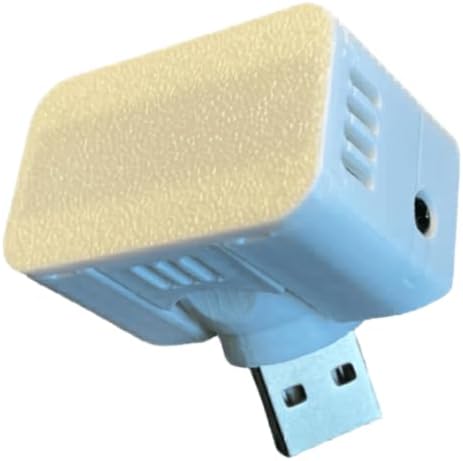


The Akamatis Human Presence & Light Sensor Litos v3 stands out as the top choice for Home Assistant users seeking precision. With a 4.4 star rating, it delivers reliable mmWave detection that captures even subtle movements like breathing or sitting still.
We may earn a commission when you buy through this link, at no additional cost to you.
Its integrated VEML7700 light sensor allows for sophisticated automations where lights turn on only when someone is present and the room is dark. The device comes pre-flashed with ESPHome firmware, removing the technical barrier of manual configuration.
While it requires a continuous USB power connection and basic familiarity with Home Assistant, these constraints are acceptable for the level of automation control it provides. The 20-foot detection range ensures it covers most standard rooms effectively.
If you value seamless local control and accurate presence detection without constant false alarms, this sensor is the ideal investment. It simplifies your smart home logic by combining motion and light data into one responsive unit.
The built-in ambient light sensor matches the human eye sensitivity, allowing precise rules that adjust lighting based on both presence and natural light levels.
Pre-flashed ESPHome firmware means you can connect to the device hotspot and enter Wi-Fi credentials without needing to flash code manually.
We may earn a commission when you buy through this link, at no additional cost to you.
The AKAMATIS Human Presence Sensor v2.2 offers robust performance for users who prefer Wi-Fi connectivity over Zigbee. It features an external antenna on the Seeed C3 controller, which significantly boosts signal stability in areas with weak Wi-Fi coverage.
We may earn a commission when you buy through this link, at no additional cost to you.
This model uses the HLK-LD2410B radar module to detect both moving and stationary objects up to 20 feet away. It requires an existing Home Assistant installation but simplifies setup with pre-loaded ESPHome firmware that needs no manual flashing.
While it lacks a battery option and relies on USB power, the reliability of the connection makes it suitable for permanent installations in living rooms or bedrooms. The FCC certification ensures compliance and safe operation.
Choose this sensor if you need a stable Wi-Fi connection for your smart home and want to avoid the extra hardware of a Zigbee hub. It delivers accurate automation triggers with minimal configuration effort.
The external antenna on the Seeed C3 controller enhances range and stability, making it ideal for larger homes where Wi-Fi signals may fade.
All main components are FCC-certified, ensuring the device meets regulatory standards for reliable and safe operation in your home environment.
We may earn a commission when you buy through this link, at no additional cost to you.
For those seeking an economical solution without sacrificing core functionality, the SONOFF Zigbee Human Presence Sensor SNZB-06P is an excellent choice. It uses 5.8GHz cmWave radar to detect presence and includes a light sensor for smarter automation logic.
We may earn a commission when you buy through this link, at no additional cost to you.
It connects via Zigbee 3.0 to hubs like the SONOFF ZB Bridge or Echo Plus, enabling local smart scenes even when the internet is down. This makes it highly reliable for essential automation tasks like lighting control.
The main requirement is a compatible Zigbee hub which may add to the initial cost if you do not already own one. However, for existing Zigbee users, the price and performance balance is very competitive.
If you need to add presence detection to multiple rooms on a budget, this sensor scales well. It provides the essential features needed for reliable Home Assistant integration at a fraction of premium costs.
Zigbee devices can execute scene linkage even without an internet connection, ensuring your lights turn on and off reliably regardless of cloud status.
The built-in light detector ensures lights only turn on when presence is detected in the dark, helping you save energy without complex external sensors.
We may earn a commission when you buy through this link, at no additional cost to you.
The Aqara Presence Sensor FP300 represents the premium end of the market with its advanced AI learning and multi-sensor capabilities. It combines mmWave radar, PIR, light, temperature, and humidity sensors into one compact device for comprehensive monitoring.
We may earn a commission when you buy through this link, at no additional cost to you.
Supporting Matter over Thread and Zigbee, it offers flexible integration with major ecosystems. Its adaptive AI optimizes sensitivity to reduce false triggers, making it ideal for lounging areas where people stay still for long periods.
To use Matter, you need a Thread Border Router and Matter Controller which adds setup complexity. However, the battery life of up to 3 years and the versatility of a 5-in-1 design justify the investment for advanced users.
Choose this sensor if you want a high-end device that grows with your smart home. It delivers reliable detection and environmental data while offering the future-proof benefit of Matter support.
The sensor continuously optimizes sensitivity based on your environment reducing false triggers so lights stay on only when you are truly present.
By combining presence, light, temperature, and humidity detection it enables complex climate and lighting automation rules in a single device footprint.
We may earn a commission when you buy through this link, at no additional cost to you.
The SONOFF SNZB-06P24 excels in flexibility with its ability to define up to 7 detection zones within a 4-meter range. This allows you to focus on key areas like a desk or sofa while ignoring entryways to prevent false triggers.
We may earn a commission when you buy through this link, at no additional cost to you.
Using 24GHz mmWave radar it detects even breathing or micro-movements ensuring lights stay on while you read or work. The self-learning calibration filters out interference from pipes or airflow for stable performance over time.
Setup via the eWeLink app allows easy configuration of advanced settings using BLE making it accessible even for non-technical users. It requires a Zigbee hub and continuous power but the precision is unmatched in its class.
If you need precise control over which parts of a room trigger automation this sensor is the top pick. It balances advanced features with reasonable setup complexity for Home Assistant users.
Customize detection with up to 7 zones allowing you to ignore corridors and focus on living areas for more accurate automation triggers.
The sensor learns your environment and filters out repetitive interference from appliances or airflow to reduce false triggers and ensure stable performance.
We may earn a commission when you buy through this link, at no additional cost to you.
This Zigbee Human Presence Sensor is designed for convenience with its ability to run on two AAA batteries for up to 2 years. It uses 24GHz millimeter wave radar to detect people even when they are sitting still or sleeping.
We may earn a commission when you buy through this link, at no additional cost to you.
It works seamlessly with various hubs including Alexa devices, SmartThings, and Home Assistant making it a versatile choice for mixed ecosystems. The long battery life reduces maintenance and allows placement anywhere without wiring.
While it may be slightly less precise than continuously powered models the balance of convenience and performance is appealing for bedrooms or guest rooms. You can create routines that keep lights on while present and off when you leave.
Select this sensor if you need a wireless solution that is easy to install and maintain. It offers reliable presence detection without the hassle of constant battery changes or complex setup.
Create smart routines where lights stay on while you are present even if you are reading or sleeping motionless solving the issue of lights turning off too soon.
Works seamlessly with Echo devices, SmartThings, Hubitat, and Home Assistant allowing flexible integration across different smart home hubs.
We may earn a commission when you buy through this link, at no additional cost to you.
This compact Zigbee Presence Sensor combines detection with temperature, humidity, and light sensing into one tiny device. It uses 24GHz mmWave technology to detect breathing or micro-movements ensuring accurate presence tracking in any room.
We may earn a commission when you buy through this link, at no additional cost to you.
With dimensions of only 40x40x20mm it fits anywhere and features a magnetic base for quick attachment to metal surfaces or a tape for walls. It is fully compatible with Home Assistant via Zigbee for lightning-fast automation.
The CR2450 battery provides long-lasting performance which suits spaces where wiring is difficult. While battery replacement is necessary the convenience of a wireless all-in-one sensor outweighs this minor maintenance requirement.
Choose this model if you want detailed environmental data alongside presence detection. It simplifies your setup by replacing multiple devices with one versatile sensor capable of complex Home Assistant triggers.
This compact device integrates sensors for temperature humidity and illumination delivering comprehensive data to automate your entire smart home with one device.
Integrated magnetic base and included 3M tape allow discreet installation on refrigerators metal surfaces or walls fitting anywhere you need monitoring.
We may earn a commission when you buy through this link, at no additional cost to you.
The Akamatis Human Presence Sensor v1.3 delivers solid performance with a very high user rating of 4.9 stars. It uses 24GHz mmWave radar to detect stationary objects and connects via 2.4 GHz Wi-Fi for direct integration with Home Assistant.
We may earn a commission when you buy through this link, at no additional cost to you.
It features an external antenna and comes pre-flashed with ready-to-use ESPHome firmware so you can connect it to your network immediately. The FCC-certified components ensure reliable operation without configuration headaches.
While it does not offer advanced features like light sensing or zones its simplicity makes it easy to deploy for basic presence detection tasks. It is perfect for users who want a straightforward Wi-Fi solution.
If you value reliability and ease of setup over extra features this sensor is an excellent choice. It provides accurate detection and seamless Home Assistant integration for a reasonable price.
Pre-flashed with ready-to-use ESPHome firmware so you simply connect to the device hotspot and enter Wi-Fi credentials without manual configuration.
All main components are FCC-certified ensuring compliance and reliable operation for your smart home automation system.
We may earn a commission when you buy through this link, at no additional cost to you.
The WenzhiIoT Smart Motion Sensor offers extensive customization with adjustable sensitivity and detection ranges. It uses 5.8GHz mmWave radar to detect movement and static states like sleeping ensuring accurate presence tracking in various scenarios.
We may earn a commission when you buy through this link, at no additional cost to you.
Its ability to set data reporting intervals helps reduce network noise on Zigbee2mqtt which is useful for large smart home networks. The light sensor enables scene linkage with devices like lights based on ambient brightness changes.
It requires a Tuya ZigBee gateway for control center which might be a hurdle for non-Tuya users. However the flexibility in settings allows you to fine-tune the device to avoid false alarms effectively.
Choose this sensor if you need granular control over how the device behaves in your space. It supports diverse automations and is compatible with Home Assistant for broader ecosystem integration.
Set sensitivity from 1 to 9 and adjust detection delay times to avoid irrelevant movements and reduce false alarms for precise control.
Supports setting data reporting interval time in ZigBee2mqtt making your network less noisy without affecting real-time synchronization when presence changes.
We may earn a commission when you buy through this link, at no additional cost to you.
The meross Presence Sensor MS600 combines radar, PIR, and light sensing in a corded device suitable for continuous monitoring. It supports Matter over Wi-Fi which provides enhanced stability and offline control compared to traditional cloud methods.
We may earn a commission when you buy through this link, at no additional cost to you.
Its adjustable base pivots 180 degrees and rotates 360 degrees allowing flexible mounting. A pet-proof shield prevents pets or robots from triggering false alarms making it ideal for homes with animals.
While it requires a continuous power supply and a hub for Matter compatibility it delivers reliable local control. The 12-meter motion detection range and 6-meter presence detection cover most entryways effectively.
If you need a reliable device that works across multiple ecosystems without a dedicated hub this sensor is a strong candidate. It offers practical features like pet-proofing that make daily life easier.
A pet-proof shield is included to prevent pets or robot vacuums from accidentally triggering the sensor ensuring more accurate human detection.
The adjustable base pivots 180 degrees and rotates 360 degrees for flexible setup and optimal detection across various room layouts.
We may earn a commission when you buy through this link, at no additional cost to you.
Selecting the right presence sensor involves understanding connectivity types detection technologies and power requirements. This guide breaks down the key factors to help you choose a device that integrates seamlessly with your existing Home Assistant setup.
Connectivity determines how the sensor talks to your Home Assistant server. Wi-Fi sensors connect directly to your router reducing the need for extra hubs but may clog your network. Zigbee sensors use a dedicated protocol that is energy efficient and reliable but require a bridge or gateway. Consider your existing ecosystem and whether you prefer a centralized hub or direct connection.
Choose Wi-Fi if you lack a hub and want simplicity. Choose Zigbee for better battery life and network stability in large homes.
Presence sensors use radar rather than simple PIR to detect stationary humans. mmWave radar at 24GHz or 60GHz detects micro-movements like breathing. Higher frequencies like 60GHz offer more detail and better resistance to interference but may cost more. Look for adjustable sensitivity settings to reduce false alarms from pets or airflow.
Select mmWave radar for true presence detection. Avoid standard PIR sensors if you want lights to stay on while reading.
Sensors can be battery-powered or USB-powered. Battery models offer flexible placement but need occasional replacement. USB-powered models provide continuous operation and better stability but limit placement to near outlets. Some devices include USB-C which makes them easier to power with common adapters.
Use battery sensors for hard-to-reach spots. Use USB sensors for high-frequency areas like hallways or desks.
Some sensors work natively with Home Assistant while others require third-party tools or apps. Devices pre-flashed with ESPHome are often easiest for Home Assistant users. Check if you need a specific hub or gateway for the chosen protocol. Compatibility with Matter may require a border router.
Pick devices pre-flashed with ESPHome for easiest setup. Ensure you have the required hubs before purchasing.
Integrated light sensors allow for smarter automations where devices respond to both presence and lighting conditions. Some models also track temperature and humidity which adds value for climate control automation. These extra sensors can reduce the number of devices you need to install in a room.
Prioritize models with light sensors for lighting automations. Look for temp and humidity sensors for broader control.
Advanced sensors allow zone customization where you define specific areas within the detection range to trigger actions. This helps ignore areas like doorways or windows to avoid false triggers. Adjustable sensitivity and delay settings also help fine-tune the sensor behavior to match your lifestyle.
Choose sensors with zone positioning for large rooms. Adjust sensitivity to match your environment and avoid noise.
Physical design matters for aesthetics and installation. Some devices include magnetic bases or 3M tape for discreet mounting. Look for FCC certification to ensure safety and compliance. The mounting flexibility allows you to place the sensor optimally for coverage.
Check mounting options to ensure the device fits your space. Verify FCC certification for reliable performance.
Many modern sensors support local control which means data stays within your home network. This enhances privacy and reliability. Matter and Zigbee often support this better than cloud-reliant devices. If privacy is a concern select devices that allow offline execution of scenes.
Opt for devices supporting local control and offline scenes. This protects your data and ensures reliability without internet.
Install the sensor by mounting it securely at a height that covers the room effectively. Ensure it has a clear view of the area to be monitored and keep it away from heat sources or direct sunlight to avoid false triggers. Connect the power source and ensure the Wi-Fi or Zigbee connection is stable.
Configure the sensor settings through your Home Assistant dashboard or companion app. Adjust sensitivity and detection zones to match your specific room layout. Test the device by moving around the area to confirm it detects presence accurately. Set up automations that trigger lighting or other devices based on presence events.
Regularly check the battery level or power connection to ensure consistent performance. Clean the sensor surface with a soft dry cloth to remove dust or debris that might interfere with detection. Update the firmware when available to maintain security and compatibility with new features.
A motion sensor uses PIR technology to detect large movements like walking, but it turns off when you stop moving. A presence sensor uses radar to detect micro-movements like breathing, so it knows you are still in the room. This makes presence sensors ideal for rooms where people sit still for long periods.
Yes, Home Assistant supports many Wi-Fi sensors directly or via integrations. Most devices require a cloud connection or local API setup. Devices pre-flashed with ESPHome are highly recommended for seamless local integration with Home Assistant without complex configuration.
It depends on the device. Wi-Fi sensors do not need a hub, but Zigbee models require a bridge or gateway like a SONOFF ZB Bridge or Echo Plus. Check the product details to confirm if a hub is needed for your specific model.
Most sensors detect presence up to 6 meters or 20 feet indoors. The exact range varies by model and environmental factors. Some premium models offer higher sensitivity or wider angles to cover larger areas effectively.
Many sensors have adjustable sensitivity settings that allow you to filter out small movements from pets. Some premium models include a pet-proof shield specifically designed to ignore animals while detecting humans. Check the specific pet-proof features before buying.
Matter over Thread is a newer connectivity standard that allows devices to communicate reliably over a local mesh network. It offers better stability than Wi-Fi and works across ecosystems. It requires a Thread Border Router to connect to your Home Assistant setup.
Many modern sensors come pre-flashed with ready-to-use ESPHome firmware. This means you can connect to the device hotspot and enter credentials without manual flashing. Always check the product description for pre-flashed status.
Yes, presence sensors are excellent for security automation like triggering alarms when a room is unoccupied. They work well combined with door sensors to ensure alerts are sent only when no one is present in the monitored zone.
Choosing the right Home Assistant Human Presence Sensor depends on your specific ecosystem needs and budget. The Akamatis Litos v3 remains the top choice for seamless integration and light sensing capabilities.
Prioritize sensors that match your existing connectivity setup. If you use Wi-Fi look for ESPHome compatibility. If you use Zigbee ensure you have a bridge. Consider power options and detection range carefully.
Prices and availability change frequently so verify current details on the product pages before purchasing. Investing in a quality presence sensor significantly improves your smart home automation experience.