10 Best Parabolic Antenna For Distant Cell Towers in 2026
This guide compares the top parabolic antennas for distant cell towers to help you find the best signal booster for your home or business connectivity needs.
As an Amazon Associate we earn from qualifying purchases. We may earn a commission when you buy through links on this page, at no additional cost to you. Read our affiliate disclosure.As an Amazon Associate we earn from qualifying purchases.Purchases through our links may earn us a commission, at no extra cost to you. Read our affiliate disclosure.
Finding a reliable connection in remote areas requires specialized hardware designed to reach far-off transmission points. Parabolic antennas focus signals precisely to overcome distance obstacles and weak reception zones effectively.
We evaluated ten leading models based on gain performance frequency coverage and ease of installation for various user scenarios. Each product was assessed for its ability to enhance cellular data speeds and call quality significantly.
Each pick highlights key strengths and ideal use cases for different network requirements and budget levels. Please note that pricing and availability may fluctuate over time so verify current details before purchasing.
Top 3 Picks for Best Parabolic Antenna for Distant Cell Towers
Best Budget
Nooelec Satellite Mesh Antenna Bundle for Inmarsat, Iridium, & Hydrogen Line Applications. 20dBi Parabolic Antenna w/ 1.4GHz Center Frequency, 300MHz+ Bandwidth. LMR400 SMA Feed Cable & Mounting Kit
Top 10 Best Parabolic Antenna for Distant Cell Towers in 2026 Compared
This side-by-side comparison outlines the core specifications and capabilities of each antenna model to help you make an informed decision for your specific connectivity challenges.
ProductsSpecificationsEditor scorePrice
1
Editor's Choice
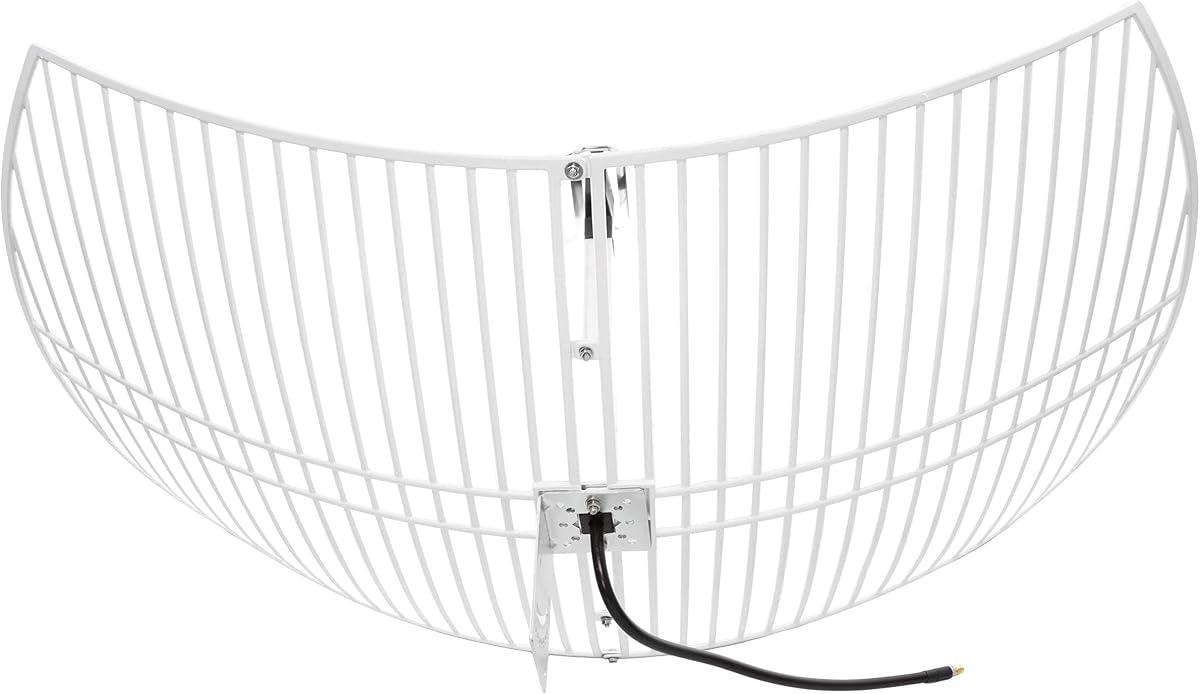
Griddy: The Grid Parabolic Antenna, 600-6500 MHz, Complete Kit
SureCall Flare 3.0 Cell Phone Signal Booster for Home & Office up to 3500 sq ft, Boosts 5G/4G LTE, Yagi Outdoor Antenna, Multi-User, Verizon AT&T Sprint T-Mobile, FCC Approved, USA Company
SureCall Outdoor Omni Antenna Ultra-Wideband Exterior Omni-Directional High Gain with N-Female Connector, 50 Ohm High Performance UWB 617-2700 MHz, Includes Mounting Kit, White (SC-588W)
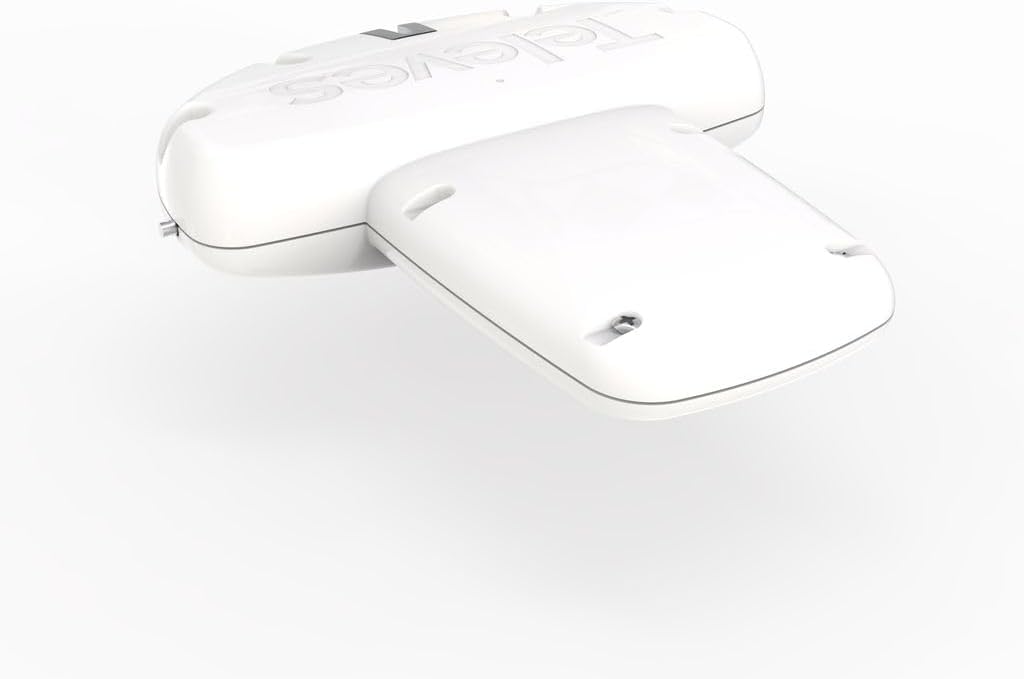
Televes DiNova Boss Mix 144286 Attic/Outdoor HDTV Antenna – Smart UHF/VHF TV Antenna with Built-in Signal Amplification and FM/LTE/4G/5G Filtering, up to 50 Mile Range – Made in Spain
Televes DAT BOSS Mix LR 149884 HDTV Antenna – Long Range High VHF/UHF Reception with Built-in TForce Amplifier, FM & LTE/4G/5G Filtering, Up to 100 mi Range, Power Supply Included – Made in Spain
Griddy: The Grid Parabolic Antenna, 600-6500 MHz, Complete Kit
600-6500 MHz frequency band
Up to 26 dBi gain
MIMO support with 2x kits
N-Type TS9 SMA adapters
This Griddy parabolic antenna offers ultra-wideband capabilities spanning 600 to 6500 MHz making it ideal for various cellular and WiFi applications. With ratings of 4.0 stars it stands out for its high gain performance reaching up to 26 dBi on higher frequencies.
Pros
Ultra-wideband frequency support
High gain for distant towers
Supports MIMO configurations
Complete kit included ready
Compatible with 4G 5G WiFi
Cons
Requires strict line of sight
Reflections reduce effectiveness
We may earn a commission when you buy through this link, at no additional cost to you.
The standout quality is its ability to deliver blazing fast data rates when aimed correctly at a tower. It supports 4G LTE 5G NR and WiFi devices through standard 50 Ohm N-Type connectors along with TS9 and SMA adapters for versatility.
One trade-off is the strict requirement for line of sight to avoid signal dispersion through trees or buildings. However this is acceptable given the high performance gains achieved when installed properly in clear environments.
Buyers seeking maximum range for distant cell towers should consider this kit for its comprehensive adapter support and MIMO readiness. It is the top recommendation for those prioritizing data speed and coverage reliability.
Ultra-Wideband Versatility
Covers 600-6500 MHz enabling connections across multiple generations of cellular technology and WiFi standards simultaneously.
MIMO Capability
Supports using multiple kits for enhanced throughput on devices that allow external multiple antenna configurations.
Griddy: The Grid Parabolic Antenna, 600-6500 MHz, Antenna Only
600-6500 MHz frequency range
Up to 26 dBi gain
N-Type connector standard
Antenna only without extras
This antenna only version provides the same ultra-wideband performance as the kit but at a lower entry point for buyers who already have necessary accessories. It maintains a 4.2 star rating due to its consistent gain across cellular bands.
Pros
Lower cost than complete kit
Same high gain performance
Includes N-Type connector
Works with any booster
Supports MIMO configurations
Cons
No adapters included
Requires own mounting gear
We may earn a commission when you buy through this link, at no additional cost to you.
The key strength lies in delivering 20-23 dBi gain on 1700-2700 MHz bands ideal for LTE and 5G connections. It includes N-Type connectors for direct integration with boosters or routers without extra cabling needs.
A trade-off is the lack of TS9 and SMA adapters which may require separate purchases for some routers. This is acceptable for users who want flexibility in their existing hardware setup.
Those with existing mounting solutions should choose this option to save money while retaining high performance for distant tower connections. It is best for DIY installers who need just the main element.
Direct Connector Integration
Comes with N-Type connectors for straightforward attachment to compatible signal boosting and router systems immediately.
Flexible Upgrades
Ideal for upgrading existing setups where other components are already in place and only the antenna needs replacement.
This antenna is specialized for receiving high resolution weather satellite images including GOES NOAA and Meteor M2 systems. With a 4.0 rating it delivers precise performance at 1.7GHz center frequency for detailed real-time data collection.
Pros
High resolution imaging support
Includes hardware and cable
Wide 200MHz bandwidth
2 year warranty provided
Dual polarization support
Cons
Requires software for decoding
Narrower bandwidth than others
We may earn a commission when you buy through this link, at no additional cost to you.
Its strengths include a 21 dBi gain and inclusion of LMR400 feed cable for easy setup. It supports both linear and circular polarization enabling versatile deployment with various RF systems and SDR devices.
A trade-off is the dependency on external software like SatDump for decoding images which may require technical setup. However the 2 year warranty and included hardware make the value proposition strong for hobbyists.
Buyers interested in remote sensing or weather tracking should select this mesh antenna for its durability and specialized frequency design. It offers a reliable entry point for satellite reception projects.
Satellite Imaging Focus
Optimized for specific L-band frequencies used by weather satellites to ensure high fidelity data reception.
Hardware Inclusion
Includes mounting hardware and feed cable to streamline installation for outdoor or attic mounting locations.
This bundle offers exceptional value for users targeting L-band signals such as Inmarsat or Hydrogen Line with a 4.4 star rating. It delivers a 20 dBi gain with 300MHz+ bandwidth making it versatile for stationary outdoor applications.
Pros
Highly affordable price point
Broad L-band optimization
Includes complete mounting kit
Lightweight and durable design
Sub-reflector enhances performance
Cons
Narrower than cellular antennas
Requires separate radio equipment
We may earn a commission when you buy through this link, at no additional cost to you.
Key strengths include a sub-reflector design and complete mounting kit with attached coaxial cable for simplified installation. It is lightweight yet durable ensuring long-term performance in various weather conditions.
A trade-off is that it is specialized for satellite bands rather than wide cellular ranges. This is acceptable for budget-conscious buyers needing a reliable antenna for specific remote sensing or comms projects.
Those seeking an affordable entry into mesh antennas for niche applications should choose this bundle for its comprehensive hardware package. It is the best budget option for specialized L-band reception.
Complete Installation Kit
Includes arm mounting kit and cable to minimize extra hardware costs during initial deployment.
Optimized for L-Band
Designed for 1.4GHz center frequency to maximize gain on specific satellite and hydrogen line signals.
Waveform QuadPro: Directional 4×4 MIMO Panel Antenna
Full 4×4 MIMO support
600 to 6000 MHz range
Zero drilling window entry cable
Compatible with all carriers
This QuadPro antenna delivers cutting edge 4×4 MIMO performance ideal for AT&T Verizon and T-Mobile 5G Home Internet users. Rated 4.4 stars it supports 600 to 6000 MHz for reliable data rates at coverage edges.
Pros
Complete kit with window cable
Zero drilling installation possible
Optimized for 5G Home Internet
Includes detailed install guide
9.1 dBi gain for range
Cons
Requires precise tower aiming
Higher price point
We may earn a commission when you buy through this link, at no additional cost to you.
Its standout features include a complete kit with window entry cable and weatherproofing boots that eliminate drilling. It works with multiple gateways including G4AR and Arcadyan ensuring broad compatibility across carrier setups.
A trade-off is the directional nature requiring accurate aiming at the nearest tower for best results. This is acceptable given the improved reliability and speed gains compared to standard omni setups.
Premium buyers wanting a hassle free DIY install for 5G routers should choose this for its comprehensive cable solutions. It is the top premium pick for seamless 5G home connectivity.
Zero Drilling Solution
Window entry cable allows safe and easy connection without modifying the home structure permanently.
Carrier Specific Optimization
Detailed guides for major 5G Home Internet gateways simplify setup for end users without IT help.
The Flare 3.0 boosts weak 5G and 4G LTE signals for reliable calls and data across small homes and offices. Rated 3.6 stars it covers up to 3500 sq ft depending on outdoor signal strength with included Yagi antenna.
Pros
Complete all-in-one kit
Supports 5G LTE signals
App guidance for aim
No monthly fees required
USA designed and tested
Cons
Depends on outdoor signal
Lower rating than some
We may earn a commission when you buy through this link, at no additional cost to you.
Key strengths include an app guided install to optimize setup and FCC approval ensuring regulatory compliance. It supports multiple users simultaneously and requires no monthly fees for continuous cellular coverage improvements.
A trade-off is its reliance on existing outdoor signal strength to amplify indoors meaning poor outside reception limits indoor results. This is typical for boosters but important to verify before purchasing.
Buyers needing a straightforward complete system for small spaces should select this for its app support and USA warranty. It is a reliable solution for homes with partial but usable outdoor coverage.
App Guided Setup
Mobile app helps aim the outdoor antenna to maximize signal capture for indoor boosting performance.
Multi-User Support
Handles simultaneous connections for phones tablets and hotspots ensuring everyone stays connected smoothly.
SureCall Fusion4Home Yagi Panel 5G/4G Cell Signal Booster
Up to 5000 sq ft range
Patented extended range technology
FCC certified booster unit
Works with all US carriers
This Fusion4Home booster extends indoor coverage up to 5000 sq ft using patented technology that amplifies signals at the strongest point outside. Rated 3.9 stars it ensures dependable reception for clearer calls and faster data.
Pros
Larger indoor coverage area
Amplifies signal outside building
FCC certified compliance
Built in USA quality
Lifetime US support
Cons
Requires existing signal source
Yagi antenna needs aiming
We may earn a commission when you buy through this link, at no additional cost to you.
Its strengths include compatibility with all major US carriers and lifetime support backed by FCC certification. It minimizes dropped calls by focusing amplification outdoors to reach distant towers effectively.
A trade-off is the need for existing outdoor signal to function which may not help in dead zones. This is acceptable for areas with weak but present coverage needing an indoor boost.
Buyers needing larger indoor coverage should choose this for its extended range technology and robust support. It is ideal for homes and offices requiring consistent cellular connectivity across multiple rooms.
Extended Range Tech
Amplifies signals outside to reach distant towers ensuring stronger indoor connectivity than standard boosters.
Lifetime Support
Includes lifetime US based support for technical help ensuring long-term reliability for users.
This Omni antenna offers a rare 5.0 rating for its ultra-wideband performance covering 2G to 5G frequencies seamlessly. It connects via N-Female connector and includes mounting hardware for wall or pole installation without aiming.
Pros
Perfect 5.0 rating
Ultra-wideband 2G to 5G
Includes mounting hardware
Simple no aiming needed
White aesthetic finish
Cons
Requires separate SC-400 cable
Lower gain than Yagi
We may earn a commission when you buy through this link, at no additional cost to you.
Strengths include its 617-2700 MHz range and simple design for versatile deployment. It is ideal for setups where multiple towers are present and directional aiming is not feasible.
A trade-off is the exclusion of the SC-400 cable which must be purchased separately for booster connection. This is acceptable given the high rating and included mounting hardware.
Buyers needing a no fuss omnidirectional solution should choose this for its perfect rating and broad frequency support. It is excellent for areas with surrounding tower coverage requiring flexible reception.
Omni Reception
Captures signals from all directions making it ideal for areas with multiple nearby towers.
Hardware Included
Includes mounting hardware for quick installation on walls or poles without extra purchases.
Televes DiNova Boss Mix 144286 Attic/Outdoor HDTV Antenna
Integrated FM LTE/5G filtering
Directional Yagi style design
TForce intelligent gain control
Up to 50 mile range
This Televes antenna is optimized for broadcast TV but includes integrated LTE and 5G filtering to reduce cellular interference. Rated 4.4 stars it provides up to 50 mile range with intelligent gain control for stable output.
Pros
Built-in LTE/5G filtering
Intelligent gain control
Weather-resistant housing
Dual operation modes
Up to 50 mile range
Cons
TV antenna not cellular
No cellular boost features
We may earn a commission when you buy through this link, at no additional cost to you.
Strengths include its TForce technology that prevents overload and a weather-resistant design for outdoor use. It offers dual operation modes functioning passively when power is unavailable.
A trade-off is that it is a TV antenna not a cellular booster which limits direct phone signal improvement. This is acceptable for users prioritizing TV reception alongside cellular noise reduction.
Buyers needing interference reduction for TV while minimizing cellular noise should choose this for its filtering tech. It is a strong choice for households requiring stable TV and radio reception.
Intelligent Gain Control
Automatically adjusts amplification to maintain stable output despite fluctuating signal conditions.
Cellular Noise Reduction
Integrated filtering helps reduce interference from nearby cellular sources for clearer TV reception.
This long range antenna reaches up to 100 miles for distant TV stations with built-in LTE and 5G filtering to block interference. Rated 4.5 stars it includes a power supply and robust mounting hardware for installation.
Pros
100 mile range capability
Includes power supply
Strong LTE filtering
Superior front-to-back ratio
Weather-resistant construction
Cons
TV antenna not for phones
Large physical design
We may earn a commission when you buy through this link, at no additional cost to you.
Its strengths include superior front-to-back ratios reducing multipath interference and a durable weather-resistant build for outdoor reliability. It operates passively if power is lost ensuring continuous signal delivery.
A trade-off is its focus on TV not cellular boosting making it unsuitable for direct phone signal improvement. This is acceptable for rural users needing strong TV reception in fringe areas.
Buyers needing maximum reach for distant TV stations should choose this for its range and filtering tech. It is a professional-grade solution for challenging TV reception environments.
Long Range Reach
Designed for rural areas and fringe reception capturing weak distant stations clearly.
European Engineering
Manufactured with patented technologies ensuring rigorous quality controls for long-term durability.
We may earn a commission when you buy through this link, at no additional cost to you.
Buying Guide – How to Choose the Best Parabolic Antenna for Distant Cell Towers
Choosing the right antenna depends on your specific frequency needs tower distance and hardware compatibility.
Frequency Band Coverage
Parabolic antennas vary in frequency ranges so check if the model supports your carrier bands like 600-6500 MHz or L-Band.
Always verify that the selected antenna covers all your current and future 4G and 5G service requirements.
Gain Requirements
Higher gain measured in dBi improves signal strength for distant towers but may require more precise aiming.
Select high gain options like 20 dBi or more if you are in a rural or fringe coverage area.
Connector Types
Ensure the antenna matches your router or booster ports with N-Type SMA or TS9 adapters as needed.
Adapters should be included or compatible to avoid extra costs during installation.
Line of Sight Needs
High gain parabolic antennas work best with a clear unobstructed view to the transmission tower.
If trees or buildings block your view consider an omni antenna or booster instead.
MIMO Capability
For maximum data speeds ensure your device supports MIMO and the antenna allows multiple configurations.
Buy multiple kits if your modem supports multiple external antennas for better throughput.
Weather Resistance
Outdoor antennas must be weatherproof to withstand rain UV and temperature changes for long-term durability.
Check for weather-resistant radomes or coatings to ensure reliability over time.
Installation Complexity
Consider kits with included mounting hardware or cable solutions if you prefer DIY setups without drilling.
Simple setups reduce installation time and potential damage to your home or office walls.
Warranty and Support
Look for products with robust warranties and accessible customer support for troubleshooting.
Strong support ensures help if performance issues arise after initial setup.
How to Use and Care for Your Parabolic Antenna for Distant Cell Towers
Begin by mounting the antenna securely using the included hardware or compatible brackets to ensure it does not shift in high winds.
Use a signal strength app to aim the antenna directly at the nearest tower for optimal line of sight performance.
Regularly inspect the cables and connections for weather damage to maintain consistent signal quality over time.
Frequently Asked Questions
Do parabolic antennas work without line of sight?
Parabolic antennas rely on focused signals so line of sight is critical. Without it performance drops significantly. Use boosters instead if trees block the path.
Which connector types are most common?
N-Type SMA and TS9 are common for cellular setups. Always verify compatibility with your router ports or use included adapters to avoid connection issues.
Can I use one antenna for multiple devices?
If your router supports MIMO multiple antennas can be used. Otherwise use splitters carefully. Ensure total signal loss is within tolerance for boosters.
How far can a parabolic antenna reach?
With proper gain and line of sight they can reach distant towers effectively. Distance depends on terrain gain and local signal strength around your location.
Is installation difficult for beginners?
Many kits include tools and guides. Mounting requires care but aiming apps simplify setup. Drill-free window kits make it easier for renters.
Do these antennas work for TV or satellite?
Most focus on cellular frequencies. Satellite antennas differ in frequency design. Ensure the model supports your intended signals like TV bands or specific satellite bands.
How long do these antennas last?
Weather-resistant models last years outdoors. Check warranties for protection. Routine cable inspections prevent damage from storms or corrosion over time.
Can I use these indoors?
Indoor use requires window placement for line of sight. Outdoor mounting is better for range. Indoor use may limit gain due to window interference.
Final Thoughts on Choosing the Best Parabolic Antenna for Distant Cell Towers
The Griddy kit Waveform QuadPro and Nooelec Bundle offer top performance for different needs ranging from cellular to specialized L-band applications.
Prioritize line of sight gain and connector compatibility to ensure your investment delivers reliable connectivity for distant towers.
Always check current pricing and availability before purchasing to align with your budget and immediate requirements.
Compare top automatic light timers for home security and convenience. This guide reviews mechanical and digital options to help you choose the right automation