
Upgraded Version Bed Sensor Alarm
4.5Editor score
Dual power supply options
LED light sound alerts
Floor motion detection
Choosing the right safety device is crucial for caregivers managing dementia or mobility issues. A reliable bed alarm detects movement early, alerting staff before a fall occurs. This ensures timely assistance and peace of mind for families.
We evaluated ten top-rated systems based on sensor accuracy, range, ease of setup, and caregiver feedback. Each option offers unique features like vibration alerts or long-range pagers. Our goal is to highlight solutions that balance comfort with rigorous safety standards.
Every review details key specifications, pros, and cons to help you make an informed decision. Note that availability and pricing can fluctuate on marketplaces. Check current listings before purchasing to ensure you get the best value for your needs.
4.5Editor score
4.7Editor score
4.8Editor score
As an Amazon Associate we earn from qualifying purchases.
The following table compares key features of all ten systems to help you find the perfect fit for your home care environment. Consider sensor type, range, and alert styles.



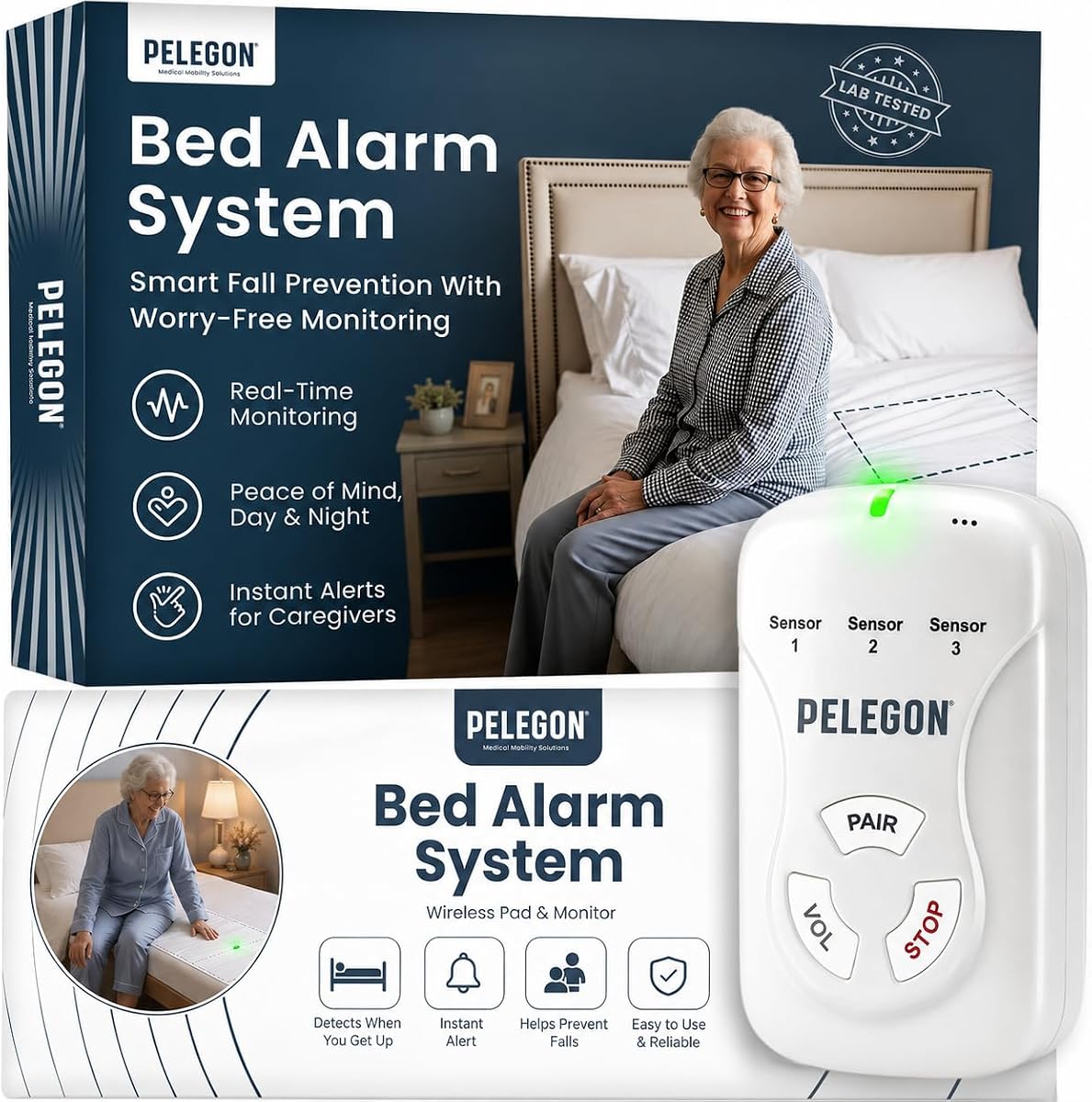
The PELEGON Bed Alarm system stands out as a top choice for caregivers seeking reliable fall prevention. With a high rating of 4.7 stars, it promises to detect movement when a loved one begins to rise. This early alert allows staff to assist before a fall happens, ensuring safety during vulnerable moments.
We may earn a commission when you buy through this link, at no additional cost to you.
Its wireless pager reaches up to 328 feet, letting you monitor from another room. The system offers customizable alerts, including sound and vibration, which helps manage noise levels. The tool-free setup means you can place the sensor pad under the sheet and start monitoring in seconds without complex installation.
While the range is excellent, the sensor pad size may not fit every mattress perfectly without adjustment. Battery replacements are also needed periodically for the pager. However, these trade-offs are minor compared to the peace of mind provided by such a responsive safety system.
If you prioritize range and ease of use, this alarm is a strong recommendation. It is specifically designed for dementia care, addressing wandering risks effectively. The combination of fast alerts and flexible notification modes makes it ideal for 24-hour care environments.
This system detects movement as a loved one begins to rise. This early warning gives caregivers valuable seconds to assist. It reduces the risk of falls significantly for elderly adults.
Choose sound alerts, adjust volume, or use vibration-only mode. This flexibility supports quiet monitoring in shared rooms. It ensures comfort for the patient and caregivers alike.
We may earn a commission when you buy through this link, at no additional cost to you.
The Smart Caregiver Bed Alarm offers a straightforward solution for monitoring bed exits. It features a pressure-sensitive pad that sounds an alarm when pressure is removed. This helps caregivers know when a loved one is leaving the bed. The unit is easy to mount on a wall or bed.
We may earn a commission when you buy through this link, at no additional cost to you.
Its flexible alert options include an in-room alarm that can remind patients to stay seated. This can be useful for encouraging safe behavior without waking others. For quieter monitoring, a wireless add-on kit is available but sold separately. This allows you to send alerts directly to a caregiver pager.
The lack of a built-in wireless pager limits range if you are not in the room. You need to buy the kit separately for off-room monitoring. However, the durable vinyl pad and simple reset button make it a robust choice for basic home care needs.
If you need a basic system or plan to add a wireless kit later, this is a solid option. The vinyl pad is sealed for incontinence protection, making it easy to clean. It is reliable for daily use in caregiving environments where simplicity is key.
The in-room alarm reminds your loved one to remain seated. This offers an extra layer of safety. You can also use a wireless add-on kit if preferred.
Includes a soft vinyl sensor pad with foam interior. It is sealed for incontinence protection. You can clean it easily with a wet cloth.
We may earn a commission when you buy through this link, at no additional cost to you.
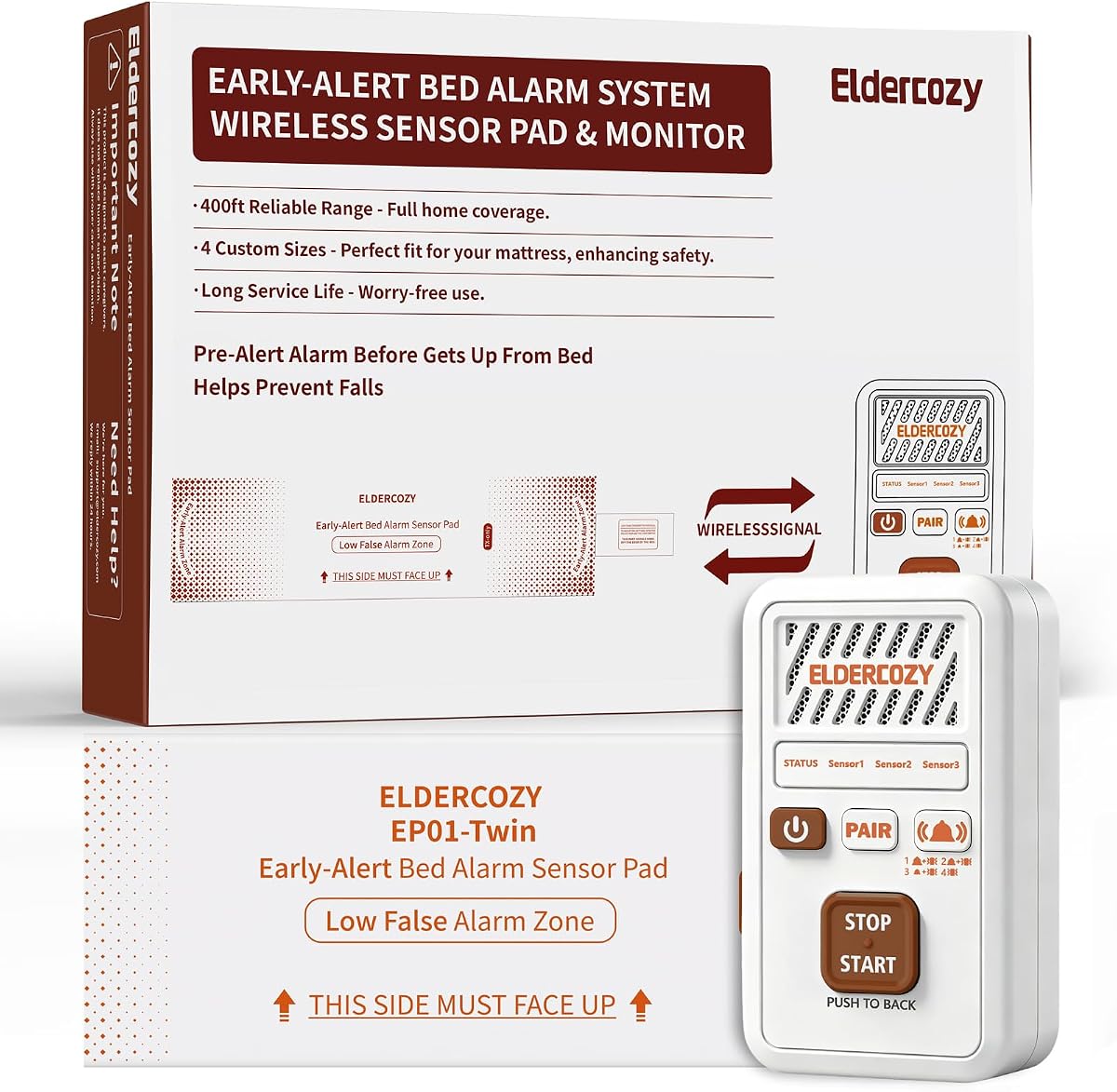
The Twin Size Wireless Bed Alarms focus on patient comfort without sacrificing safety. Crafted from soft TPU composite, the pad does not crinkle like PVC. This ensures uninterrupted sleep and better comfort for the user. The early alert system detects when a patient sits on the edge of the bed.
We may earn a commission when you buy through this link, at no additional cost to you.
It comes with FSA and HSA approval, making it more affordable for eligible users. The caregiver mode allows you to pause the alarm for 20 minutes when assisting. This prevents false alarms during routine care. The pager connects to multiple transmitters for broader coverage in the home.
The cost is higher than basic models, but the comfort and features justify the price. The system is designed for an unlimited lifespan with replaceable batteries. This makes it a sustainable choice compared to disposable sensors. It is highly rated for reducing false alarms effectively.
If comfort and long-term value are your priorities, this is the top pick. The custom mattress fit ensures the pad stays in place. You get 4 alert modes including vibration. This creates a peaceful caregiving experience without unnecessary disruptions to sleep.
Crafted from soft TPU composite that never crunches. It ensures uninterrupted sleep for the patient. It resists urine stains and wipes clean instantly.
Long-press the STOP button to pause the alarm. This lets you assist without triggering false alarms. Dim lights prevent sleep disruption at night.
We may earn a commission when you buy through this link, at no additional cost to you.
This budget-friendly option uses a motion sensor rather than a pressure pad. The sensor is placed on the floor under the bed. It detects when a foot touches the ground to trigger the alarm. This reduces false alarms from shifting during sleep. The unit supports Micro USB or battery power for flexibility.
We may earn a commission when you buy through this link, at no additional cost to you.
It offers 5 volume levels and reaches up to 918 feet in open areas. This is excellent for large homes. The system includes a pager and sensor with batteries. The design is simple and factory paired. It avoids the need for complex setup steps.
Because it relies on motion rather than weight, it might be less precise for some patients. You may need to test the range before fixing it. However, the cost and power options make it a great entry-level choice for caregivers on a budget.
If you want an affordable system that avoids incontinence issues, this fits. The sensor does not need to touch the patient. It is portable and easy to move around the house. This makes it versatile for different care situations.
Features LED light and sound reminders for alerts. The dual power supply includes battery and Micro USB. This ensures you are always alerted during an event.
Place the sensor on the floor to detect foot movement. It alerts when a foot touches the ground. This avoids worry about incontinence false alarms.
We may earn a commission when you buy through this link, at no additional cost to you.
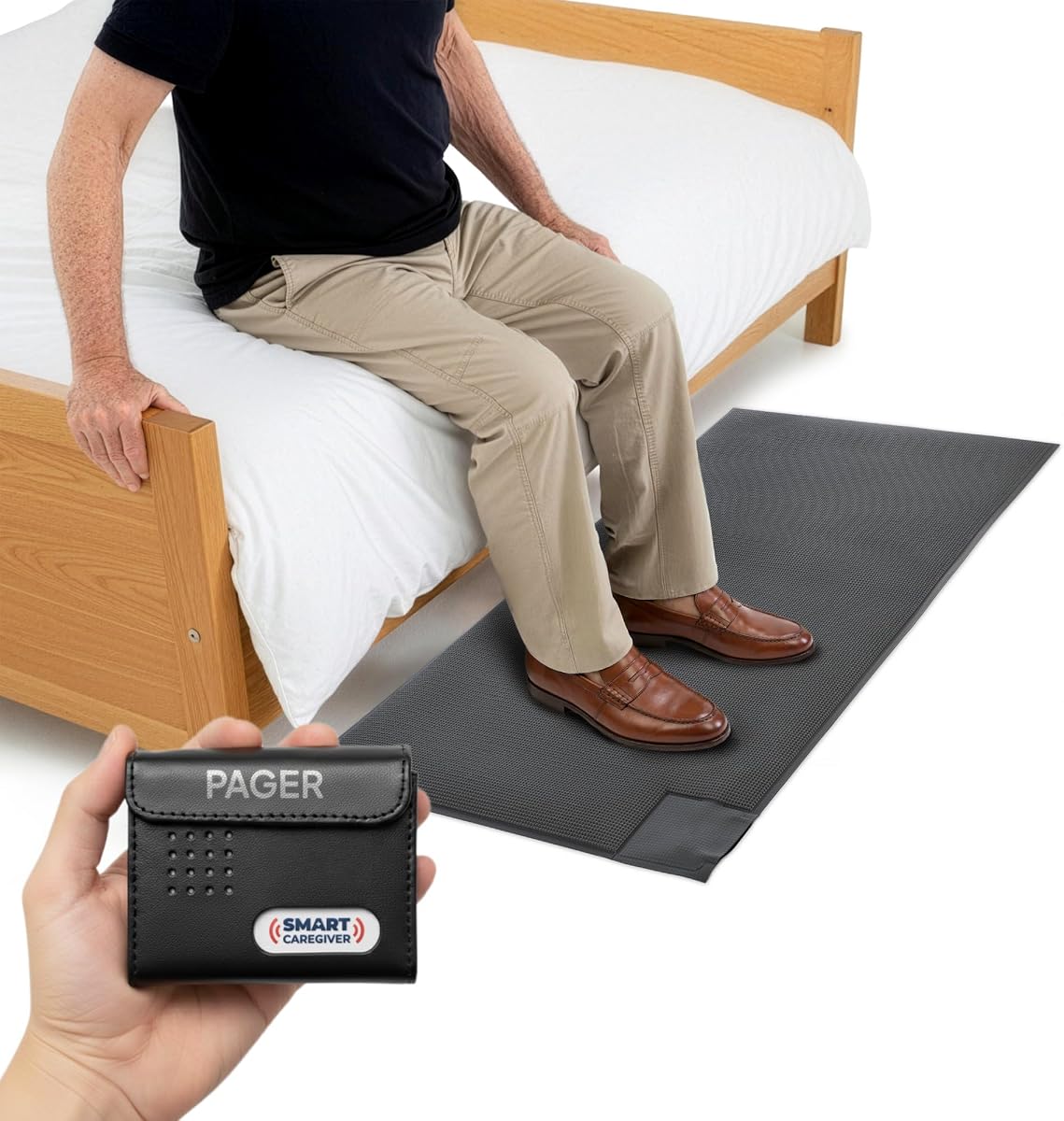
The Smart Caregiver Floor Mat system uses a large durable mat to detect steps. It is placed next to the bed or by an exit door. This helps prevent wandering in addition to falls. The wireless pager alerts the caregiver when someone steps on it. The patient room stays quiet with audible alerts.
We may earn a commission when you buy through this link, at no additional cost to you.
The pager can be carried up to 300 feet away. This freedom allows staff to manage other tasks. The alert includes vibrate options to avoid startling residents. It is a valuable addition for dementia patients at home. You can pair it with other sensors for full coverage.
The size requires a good amount of floor space, which might be tight. Also, the pager batteries are not included. Despite this, it provides reliable detection without touching the patient. It is a trusted solution for anti-wandering coverage.
If you need a system that detects exits beyond the bed, this is ideal. The mat is durable and suitable for daily use. It pairs well with other Caregiver devices. This creates a comprehensive safety network for vulnerable individuals.
Alerts when someone steps on the weight sensing mat. Place it by an exit door to monitor wandering. It prevents unauthorized movement out of the house.
Alerts with caregiver up to 300 feet away. No loud noises in the room. The pager can be carried by the caregiver.
We may earn a commission when you buy through this link, at no additional cost to you.
This system focuses on early alerts through weight sensing technology. The bed pad connects to a pager that vibrates or sounds. It alerts caregivers when pressure is removed. The pad supports up to six sensors for a complete network. This allows monitoring of chairs and doors too.
We may earn a commission when you buy through this link, at no additional cost to you.
The large contact sensor reduces false alarms compared to smaller pads. You place it under the shoulders for immediate alerts. It is backed by a US company with dedicated support. This adds trust to your care setup for daily use.
The corded connection to the monitor might be less flexible than wireless. However, the expandability makes up for it. You can grow the system as needs change. The early alert ensures timely assistance before falls occur.
If you want a scalable system, this is a strong choice. The support team is knowledgeable for unique needs. It offers peace of mind for caregivers managing multiple patients. This creates a safer environment through comprehensive monitoring.
The pager supports up to six different sensors. You can monitor beds, chairs, and doorways. This allows comprehensive monitoring for fall prevention.
Engineered to reduce false alarms with large sensor. Place under shoulders for immediate alerts. This reduces caregiver trust issues significantly.
We may earn a commission when you buy through this link, at no additional cost to you.
CallToU offers a portable receiver with Type-C charging for modern convenience. The motion sensor sits beside the bed to detect feet touching ground. It supports silent and vibrate modes to avoid disturbing the patient. The receiver has 18 ringtones and 5 volume levels. It is easy to move around the house.
We may earn a commission when you buy through this link, at no additional cost to you.
The sensor allows 360-degree rotation to prevent false alarms. This adjusts sensitivity to avoid triggers from minor movements. The receiver is light and can be carried easily. It is a good choice for temporary or flexible care settings.
With a lower rating, quality control might vary compared to other brands. You must also buy separate batteries for the sensor. However, the portability is a key strength. It avoids the need for wall mounting.
If you need a portable and rechargeable solution, this fits. It is suitable for home or hospital care. The silent mode allows discreet monitoring. It provides alerts without constant noise or nuisance.
Switch to silent or vibrate mode for needs. This reduces nuisance of constant false alerts. It provides reliable safety without the noise.
The receiver is portable with a Type-C port. Unlike mats with sealed transmitters, this uses replaceable batteries. You can move the sensor around the house.
We may earn a commission when you buy through this link, at no additional cost to you.
This upgraded sensor is factory paired for quick start. It includes a Micro USB power option and batteries. The receiver offers four alert modes like light flashing. You can adjust brightness or volume easily. It is designed for durable use in home care.
We may earn a commission when you buy through this link, at no additional cost to you.
The sensor can be placed on the floor or doorway. It triggers when a foot touches the ground. This range extends to 918 feet in open areas. It is easy to use without Wi-Fi apps. Testing before fixing ensures best accuracy.
The design is basic and may lack advanced features. You need to test the range for direction. However, it offers great value for the price. It is a reliable tool for monitoring exits.
If you want a simple and durable system, this works. The fast service and quality tests add trust. It allows you to monitor patients without hassle. This ensures safety without complex setup requirements.
Continuously press the M button to switch modes. Options include sound, light, and LED flashing. This allows you to choose the best alert for you.
The motion sensor and receiver are factory paired. Load batteries separately for quick start. Test sensing range before fixing in place.
We may earn a commission when you buy through this link, at no additional cost to you.
This system includes both bed and chair sensor pads. The monitor connects via a phone-style clip for easy switching. It alerts when a person attempts to leave a bed or chair. The pads are made of soft vinyl with foam interior. They are sealed for incontinence protection.
We may earn a commission when you buy through this link, at no additional cost to you.
The monitor can be clipped to a chair or bed. This makes it easy to move between locations. You can also purchase an extra monitor if needed. The volume levels help manage noise in the home. It is reliable for daily use.
The wired connection limits flexibility compared to wireless. Moving the monitor between bed and chair requires unplugging. But the inclusion of two pads adds value. It is good for patients who sit as well as sleep.
If you need to monitor chair use too, this is ideal. The clip connector makes switching seamless. It prevents falls in seated positions. This supports comprehensive safety for mobility users.
The alarm features adjustable volume with options. Press the reset button to silence. This helps ensure safe operation.
Bed pad is placed discreetly under the sheet. A cord runs to the monitor. For chair use, monitor can be clipped to the back.
We may earn a commission when you buy through this link, at no additional cost to you.
This pad uses latex-free tear-resistant materials for hygiene. It fits securely under fitted sheets with clips. The pager is portable and reaches 300 feet. Alerts are adjustable with music and vibration modes. It is suitable for home or hospital use.
We may earn a commission when you buy through this link, at no additional cost to you.
The pad is water resistant and easy to clean. This reduces the need for replacement due to stains. The setup is simple and secure. It offers reliable fall prevention for many users. The wireless range supports free movement.
With a lower rating, consistency may vary. Some users find the detection less precise. However, the hygiene features are strong. It is a good option for those needing latex-free materials.
If latex-free and tear resistance are priorities, consider this. It ensures reliable fall prevention and peace of mind. The portable pager allows caregivers to move freely. This keeps care efficient and safe for patients.
Constructed from latex-free tear resistant materials. It is incontinence resistant and simple to wipe. This ensures long-lasting hygiene for users.
Ideal for home hospital nursing home. It ensures reliable fall prevention. It is a flexible solution for different environments.
We may earn a commission when you buy through this link, at no additional cost to you.
Selecting the right bed alarm involves evaluating several critical factors. This guide outlines the key considerations to ensure you choose a system that meets specific needs and budget.
Sensor type determines how movement is detected. Pressure pads sit under sheets and alert on weight removal. Motion sensors detect movement near the bed or on the floor. Consider the patient's sleeping habits and risk of false alarms.
Choose a sensor that minimizes false alerts while detecting real movement.
Range affects how far you can monitor from the patient. Wireless systems allow you to move freely without being tied to the room. Check the effective range in your home layout for reliability. Wired systems are reliable but limit mobility.
Ensure the system offers sufficient range for your monitoring space.
Different settings need different alert styles. Some users require high volume while others need vibration. Customizable modes allow silent alerts for night use. This helps avoid waking the patient unnecessarily.
Look for systems with adjustable volume or vibration options.
Setup should be simple for caregivers. Tool-free installation saves time and effort. Systems that mount easily are preferred for daily use. Complicated setups can lead to incorrect placement.
Prioritize tools-free setups for convenience and accuracy.
Durability ensures long-term safety without frequent replacements. Check for features like washable pads or replaceable batteries. Incontinence protection is vital for hygiene. This keeps the system functional for years.
Select durable materials that withstand daily wear and cleaning.
Expandability allows adding sensors later. Some pagers support multiple sensors for full coverage. Features like caregiver mode prevent accidental alerts during help. This adds flexibility to your care setup.
Choose systems that support extra sensors if needed.
Power options affect convenience and reliability. Some units use batteries while others use USB or AC. Dual power options reduce downtime during battery failure. Ensure you have access to charging points or battery stock.
Dual power sources offer better reliability for continuous use.
The device must fit your home environment. Some units require specific bed setups or space. Ensure it works with your current sheets or furniture. A perfect fit prevents accidents and improves safety.
Verify the device fits your home setup perfectly.
Start by reading the manual to understand setup. Place the sensor on the bed or floor as instructed. Connect the power source and test the system. Ensure alerts sound correctly before leaving the patient.
Regularly test the alarm to confirm it works. Check batteries and replace them when low. Clean the sensor surface gently with a cloth. This ensures longevity and accurate detection over time.
Adjust alerts based on the patient's needs. Use volume control to avoid disturbing sleep. Keep the receiver with you at all times. Proper use ensures the system supports safety effectively.
A bed alarm is a device that alerts caregivers when a patient attempts to get out of bed. It uses sensors to detect movement or weight changes. This helps prevent falls and wandering in elderly or dementia patients.
Not always. Many systems offer vibration modes that alert only the caregiver. This allows monitoring without disturbing the patient. You can choose silent alerts for night use.
Yes, most systems use wireless radio signals. They do not require Wi-Fi or internet. This ensures reliability even if internet is down. It simplifies setup for caregivers.
Some models are medical devices, but many are general safety tools. Check the product description for specific claims. Most focus on safety monitoring rather than medical treatment.
Range varies by model. Most offer 300 to 900 feet in open areas. Walls may reduce signal strength. Check specs for your home layout to ensure coverage.
Most pads slide under regular fitted sheets. Ensure the sheet is taut for good contact. Some are designed for specific mattress sizes. Check fit before buying to avoid issues.
Alarms usually indicate low battery with a light. Replace or recharge before this happens. Some have backup power or long-lasting cells. Regular checks prevent interruptions in safety.
Yes, many are portable for home or hospital use. Ensure it meets facility safety standards. Portable receivers allow easy movement between rooms. This supports flexible care environments.
Choosing the best bed alarm involves balancing features with needs. Our top picks cover budget options to premium comfort. Each offers reliable alerts to keep patients safe. Evaluate your environment and budget before buying.
Prioritize systems with good range and durability. False alarms can reduce trust in the device. Ensure the setup is simple for daily use. Safety should always come first in care decisions.
Always check current prices and availability before purchasing. Features may change over time. Verify compatibility with your home setup. These systems provide peace of mind for caregivers.