
TP-Link AC1200 Gigabit Dual Band WiFi Router (Archer A6)
4.5Editor score
Affordable gigabit connectivity
Four external antennas included
Simple setup process
This guide compares the top long range WiFi routers for 2026, evaluating coverage, speed, and features to help you find the perfect home network solution.
Finding a reliable long range WiFi router is essential for modern homes filled with connected devices. You need strong signals that reach every corner without dropping connections during important calls or streaming sessions.
We analyzed ten top models from leading brands like TP-Link and NETGEAR. Our comparison focuses on coverage area, wireless standards, port speeds, and security features to ensure you get the best value for your money.
Each pick highlights key strengths and potential trade-offs for different household needs. Prices and availability can change frequently so check current listings before making your final decision to secure the best deal available now.
4.5Editor score
4.3Editor score
4.2Editor score
Explore this side-by-side comparison of the top ten long range WiFi routers available today. We break down specifications, coverage areas, and unique features to help you make an informed choice for your specific home layout and internet plan.





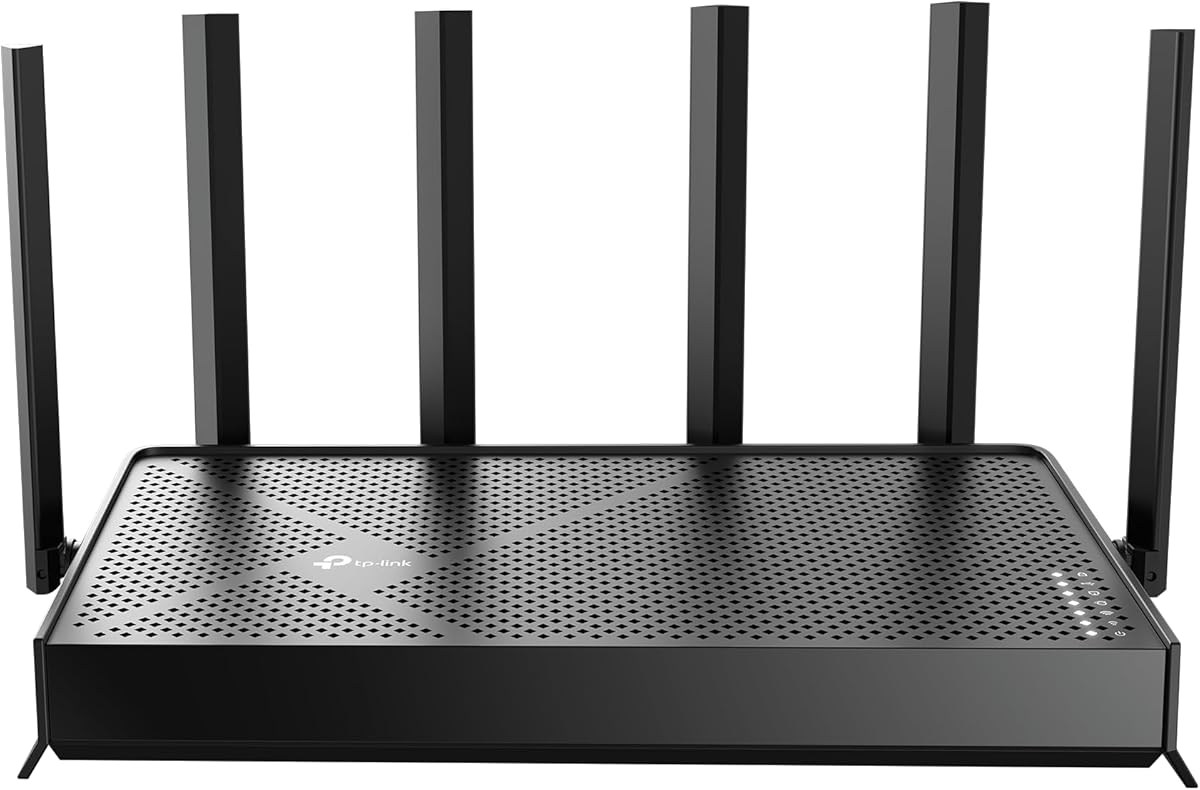
The TP-Link BE6500 stands out as the top choice for those seeking future-proof performance. With a rating of 4.3 stars, it delivers exceptional speed and coverage suitable for modern smart homes.
We may earn a commission when you buy through this link, at no additional cost to you.
Its support for WiFi 7 technology including Multi-Link Operation ensures lower latency and better efficiency. The router offers up to 6500 Mbps total bandwidth making it ideal for 8K streaming and heavy gaming sessions.
While the price is higher than standard WiFi 6 models the investment pays off in longevity and speed. You may find it less flexible for mesh expansion compared to dedicated systems like Deco.
This router is perfect for tech enthusiasts wanting the fastest available speeds today. It balances raw performance with user-friendly management tools effectively.
WiFi 7 offers faster speeds and better efficiency with Multi-Link Operation technology for seamless connectivity.
TP-Link HomeShield provides robust parental controls and IoT security to protect your network effectively.
We may earn a commission when you buy through this link, at no additional cost to you.
This router earns high praise for unleashing the full potential of WiFi 6E with a dedicated 6GHz band. It provides near-zero latency that gamers and video callers will appreciate during peak usage times.
We may earn a commission when you buy through this link, at no additional cost to you.
The tri-band design helps reduce congestion by spreading devices across three bands. With up to 5400 Mbps total speed it handles multiple streams without breaking a sweat.
Some users might find the range on the 6GHz band slightly less than 5GHz. Also the number of physical ports is limited compared to higher end models.
Choose this if you want modern speed without paying premium prices for WiFi 7. It is a solid upgrade from older WiFi 5 routers.
The 6GHz band offers more bandwidth and less interference for faster, cleaner connections.
OFDMA technology increases capacity to support up to four times more simultaneous devices.
We may earn a commission when you buy through this link, at no additional cost to you.
The Archer AX73 holds a strong 4.5 rating from satisfied users who value reliability and speed. It covers up to 2000 square feet effectively making it suitable for medium sized homes.
We may earn a commission when you buy through this link, at no additional cost to you.
It utilizes WiFi 6 technology with MU-MIMO and OFDMA to manage multiple devices efficiently. The included USB 3.0 port allows you to share media storage over the network easily.
While it lacks the newer 2.5G ports found in premium models it still supports fast gigabit speeds. The main trade-off is that it is not future-proof for speeds beyond 1Gbps.
This router is ideal for families needing solid performance without overspending on unused features. It strikes a good balance between cost and capability.
High-power FEM and beamforming antennas ensure strong signal across large spaces.
The USB 3.0 port enables easy media sharing and private cloud storage for all users.
We may earn a commission when you buy through this link, at no additional cost to you.
This router is designed for users who want to maximize their internet speed potential. The 2.5G multi-gigabit port ensures your router does not bottleneck your connection speed.
We may earn a commission when you buy through this link, at no additional cost to you.
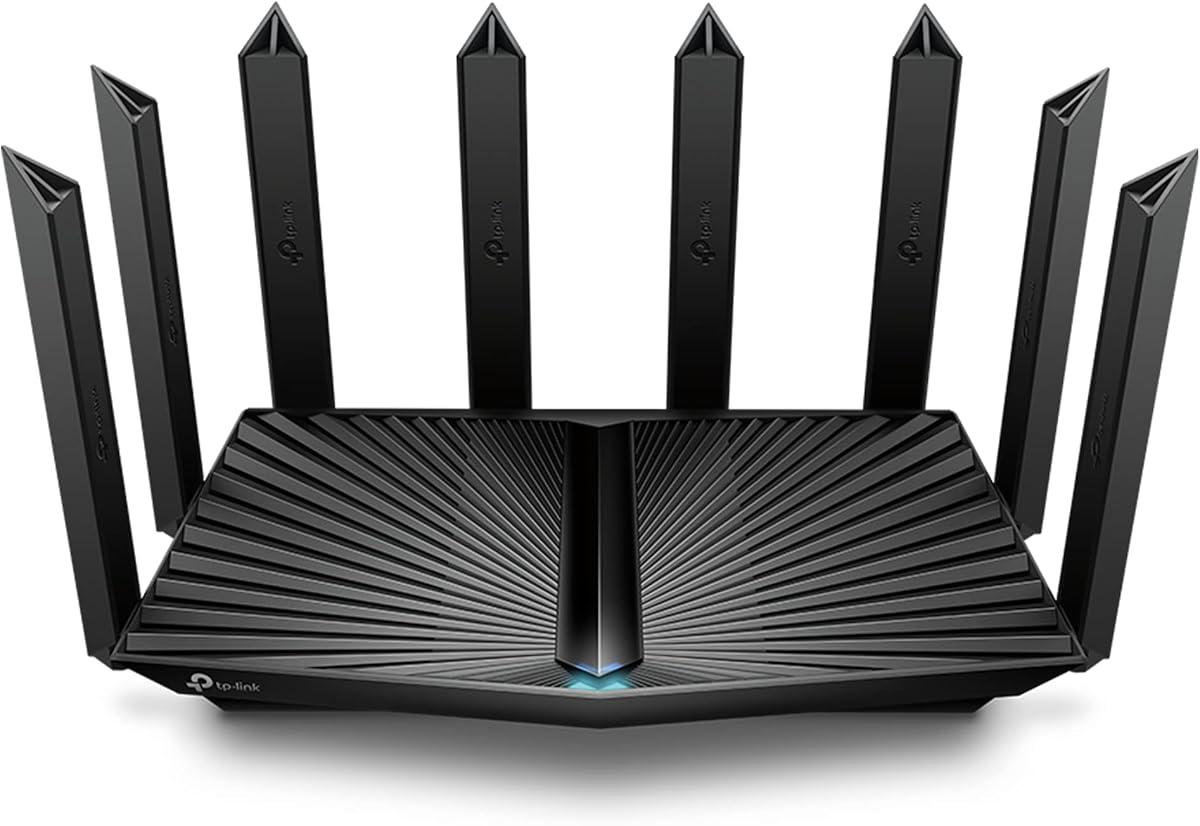
Eight high-gain antennas provide robust coverage and signal strength even in larger areas. It supports OneMesh technology allowing you to extend your network with compatible range extenders.
The lack of a 6GHz band might be a drawback for those wanting the absolute latest WiFi 6E features. However for most users this is an excellent high-performance dual band option.
If you have a gigabit or faster internet plan this model delivers the wired speeds to match it. It is a reliable choice for high throughput needs.
The 2.5G port unlocks multi-gig wired connections for faster data transmission.
OneMesh support allows flexible expansion of your WiFi network with compatible extenders.
We may earn a commission when you buy through this link, at no additional cost to you.
NETGEAR brings WiFi 7 to the mid-range market with this dual-band model. It offers reliable performance for households that need fast speeds without the cost of tri-band systems.
We may earn a commission when you buy through this link, at no additional cost to you.
Coverage extends up to 2000 square feet supporting up to 50 devices comfortably. The dedicated dual-band design ensures that your most critical devices get priority bandwidth.
Users may notice slightly lower total speeds compared to tri-band counterparts but daily performance remains robust. The price is higher than competitors like TP-Link for similar WiFi 7 specs.
This is a great option for those who trust the NETGEAR brand and want a simple setup experience. It balances modern features with manageable cost.
MU-MIMO and OFDMA let multiple devices send data simultaneously for faster performance.
Advanced Router Protection keeps your family safe with automatic firmware updates.
We may earn a commission when you buy through this link, at no additional cost to you.
This model pushes the limits of home networking with incredible 9.3 Gbps speeds. It is built for users who demand top-tier performance for streaming and gaming simultaneously.
We may earn a commission when you buy through this link, at no additional cost to you.
The tri-band setup includes a dedicated 6GHz lane ensuring your fastest devices do not slow down. It covers up to 2500 square feet making it suitable for larger floor plans.
Cost is a significant factor here as it is more expensive than dual-band models. Also you need compatible devices to fully utilize the 6GHz band capabilities.
If you want the absolute fastest speeds available for a single router this is a strong candidate. It ensures your home network stays fast for years.
A third high-speed band separates traffic to prevent congestion on busy networks.
Two 2.5G LAN ports support high-speed connections for gaming rigs and NAS drives.
We may earn a commission when you buy through this link, at no additional cost to you.
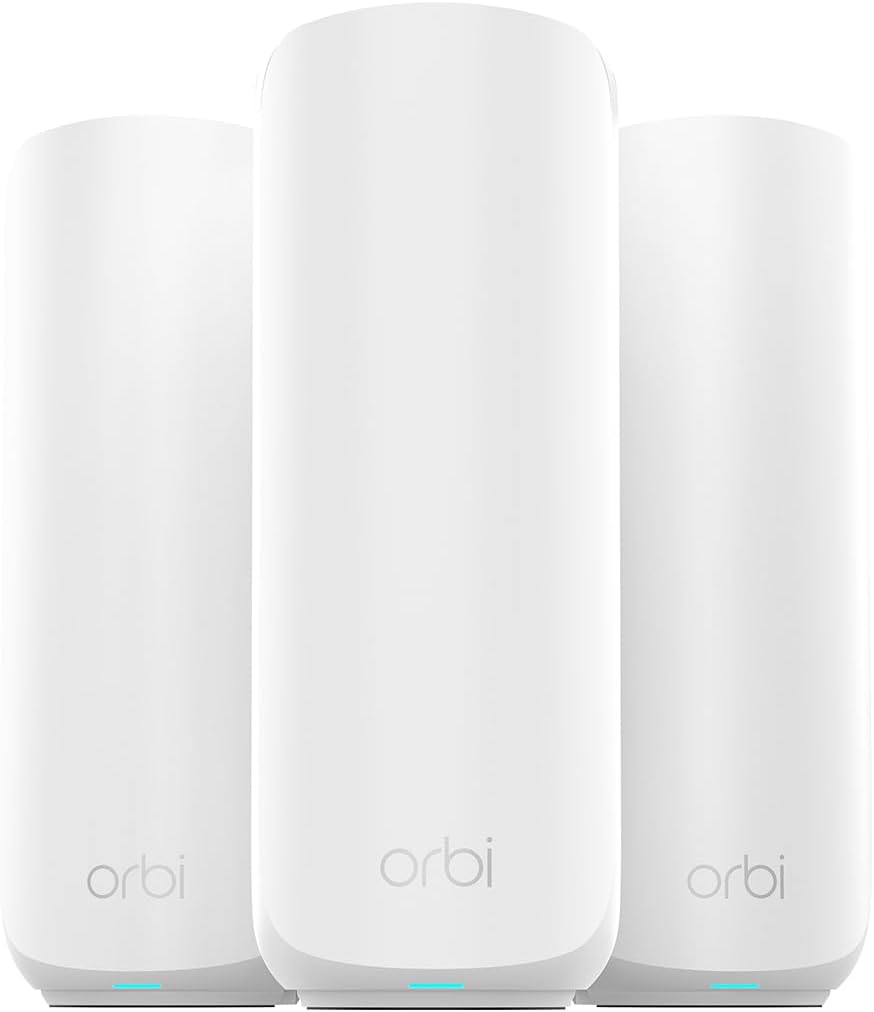
For massive homes this mesh system eliminates dead zones with its extensive 6000 square feet coverage. It uses WiFi 7 technology to keep speeds high even across multiple rooms.
We may earn a commission when you buy through this link, at no additional cost to you.
The system includes a router and two satellites to ensure signal reaches every corner reliably. It supports up to 70 devices without slowdowns during peak usage times.
The price is high compared to single routers but the coverage benefit is unmatched for large properties. Proper placement of satellites is critical to maintain optimal performance.
Choose this if you struggle with coverage in a large or multi-story home. It is the ultimate solution for seamless whole-home connectivity.
The router and satellites create a seamless mesh system that blankets up to 6000 sq ft.
Up to 5 Gbps speeds support 8K streaming and gaming without interruptions.
We may earn a commission when you buy through this link, at no additional cost to you.
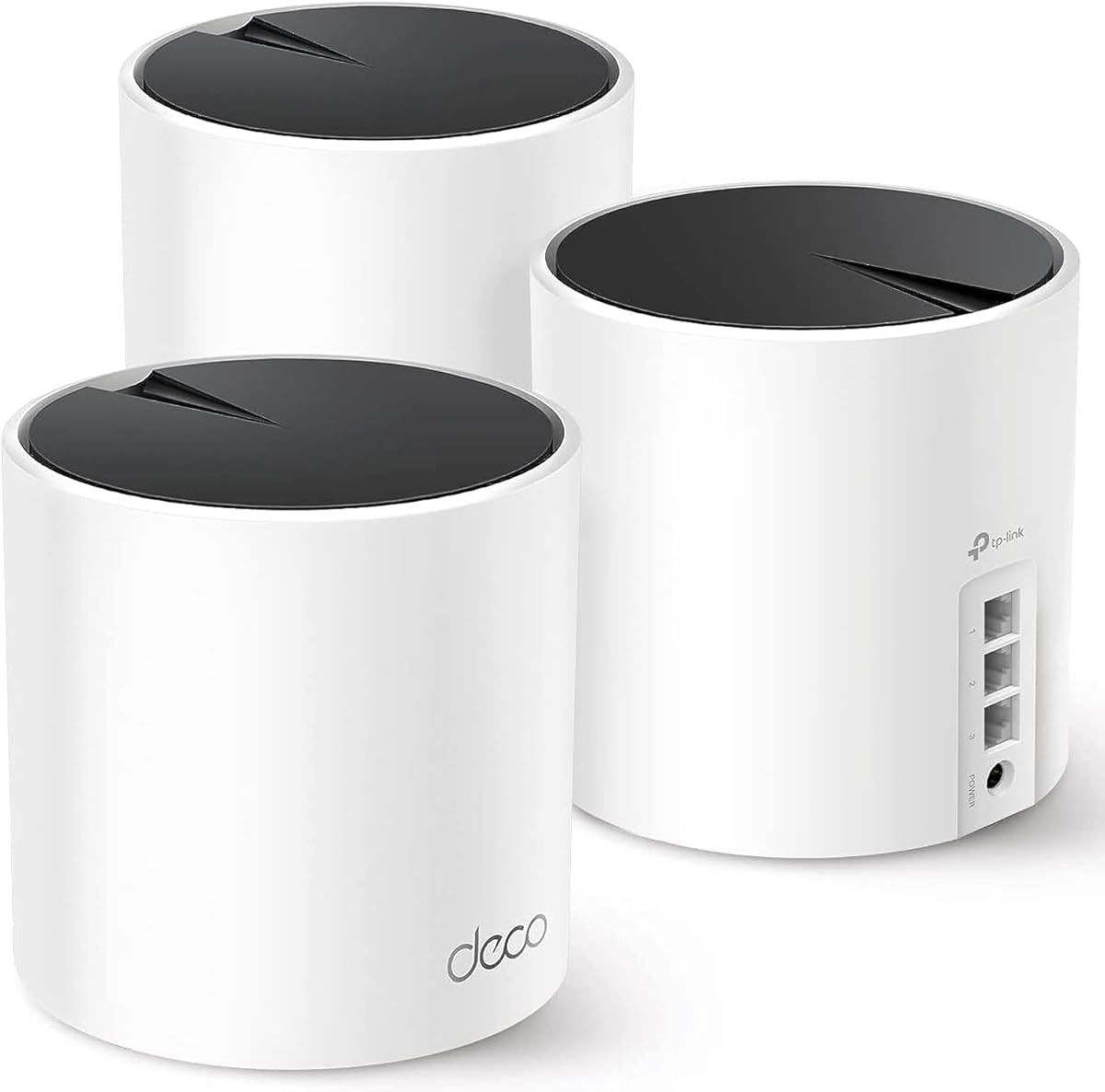
This system offers excellent value for those needing extensive coverage at a reasonable price. Each unit has gigabit ports and supports wired backhaul for faster speeds.
We may earn a commission when you buy through this link, at no additional cost to you.
AI-Driven Mesh intelligently learns your network environment to optimize performance automatically. It covers up to 6500 square feet making it a great alternative to Orbi systems.
While it lacks WiFi 7 features the performance is robust for most household needs. You might not get the absolute highest speeds but coverage is consistent.
If you want a reliable mesh system that is easy to set up and manage this is ideal. It balances cost and features effectively for large homes.
The system learns your network environment to provide ideal WiFi unique to your home layout.
Gigabit ports enable wired connections between units for better overall speeds.
We may earn a commission when you buy through this link, at no additional cost to you.
This router brings tri-band WiFi 7 speeds to those who need maximum throughput. With up to 9300 Mbps total bandwidth it handles demanding tasks like 8K streaming easily.
We may earn a commission when you buy through this link, at no additional cost to you.
It features multiple 2.5G LAN ports allowing for future-proof wired connections to your devices. The beamforming technology ensures signals are directed efficiently towards your connected devices.
The price is higher than dual-band options and the interface might be complex for average users. However tech-savvy users will appreciate the raw power and flexibility.
Choose this if you want the fastest possible speeds in a single router unit. It is a powerful contender for high-performance networking needs.
Multi-Link Operation and 4K-QAM deliver blazing-fast speeds up to 9300 Mbps.
Full 2.5G WAN and LAN ports allow peak device performance for the future.
We may earn a commission when you buy through this link, at no additional cost to you.
This model is the top pick for budget-conscious shoppers needing reliable long range performance. It earns a high 4.5 rating for its consistent performance and ease of use.
We may earn a commission when you buy through this link, at no additional cost to you.
Four external antennas with beamforming extend coverage effectively for small to medium homes. The four gigabit LAN ports ensure wired devices get maximum speed possible on this router.
While it uses older WiFi 5 technology it still handles standard streaming and browsing well. You will not get the latest speeds but the value is undeniable.
If you just need a dependable router without breaking the bank this is the clear choice. It delivers solid performance where it matters most.
Four external antennas equipped with beamforming technology extend and concentrate signals effectively.
The latest WPA3 security protocol brings new capabilities to improve cybersecurity in personal networks.
We may earn a commission when you buy through this link, at no additional cost to you.
Choosing the right router involves balancing coverage, speed, and features. Here are the key factors to consider before making your purchase.
Ensure the router supports your home size in square feet. Larger homes may require mesh systems to eliminate dead zones effectively.
Look for high-power antennas and beamforming to extend signal reach.
WiFi 7 and WiFi 6E offer the best future-proofing and speeds. Older standards like WiFi 5 are cheaper but slower.
Choose the latest standard if you plan to keep the router for several years.
Match your router to your internet plan. If you have gigabit internet you need a router with 2.5G ports to avoid bottlenecks.
Higher speeds on your router ensure you get the full value of your paid internet.
Modern homes have many smart devices. MU-MIMO and OFDMA technology help manage multiple devices without lag.
Select a router rated for higher device counts if you have many smart gadgets.
Check for enough Gigabit or Multi-Gigabit ports for your wired devices. This ensures consoles and TVs get stable connections.
More ports mean more flexibility for connecting wired equipment directly.
Consider if you need a standalone router or a mesh system. Mesh units are better for multi-story homes.
Check if the router supports mesh expansion for future needs.
Built-in security like parental controls and firewalls protect your data. Look for WPA3 support for the best encryption.
Security is vital to prevent unauthorized access to your network.
User-friendly apps make setup and monitoring easier. This helps you manage devices and guest networks effortlessly.
Choose a brand with reliable support and intuitive software tools.
Place your router in a central location away from walls and metal objects to maximize signal range. Avoid placing it on the floor or inside cabinets.
Update firmware regularly to ensure security and performance. Use the mobile app provided by the manufacturer to manage updates easily.
Restart your router periodically to clear memory and refresh connections. This simple step can often resolve slow speed issues.
Long range routers typically feature high-power amplifiers multiple external antennas and beamforming technology. These components work together to project stronger signals across larger distances.
If your home is over 2500 square feet or multi-story a mesh system is often better. It ensures seamless coverage throughout the entire property without dead zones.
WiFi 7 offers faster speeds and lower latency which benefits gaming and streaming. It is worth it if you have fast internet and modern devices to support it.
Using a router that supports mesh extenders or range boosters is cost effective. You can add units later rather than buying a full expensive system initially.
Beamforming directs the WiFi signal straight to your device instead of broadcasting it equally. This increases signal strength and range for connected devices.
Yes most routers work with any standard modem or gateway. You just need to connect them via an Ethernet cable to start using your network.
We reviewed ten top models ranging from budget picks to high-end mesh systems. The TP-Link BE6500 and NETGEAR Orbi 370 stand out for performance and coverage.
Prioritize speed and security features that match your household needs. Investing in the right technology ensures your network remains fast and reliable for years.
Prices fluctuate so check current listings before buying to secure the best deal. Use our guide to find the perfect long range router for your home today.